 DE
DE  EN
EN  ES
ES 
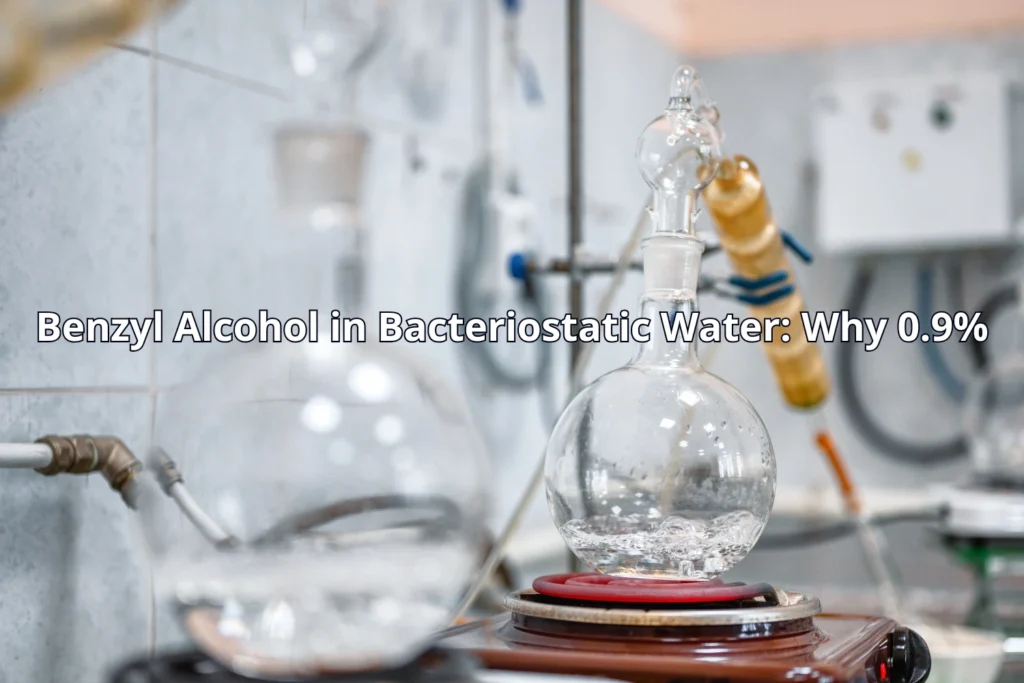
Benzyl alcohol is the antimicrobial preservative that defines bacteriostatic water for injection. Present at 0.9% (9 mg/mL), it inhibits bacterial growth between withdrawals, which is
Benzyl alcohol is the antimicrobial preservative that defines bacteriostatic water for injection. Present at 0.9% (9 mg/mL), it inhibits bacterial growth between withdrawals, which is

Bacteriostatic water is sterile Water for Injection that contains 0.9% (9 mg/mL) benzyl alcohol as a bacteriostatic preservative, manufactured under pharmacopeial aseptic conditions in a
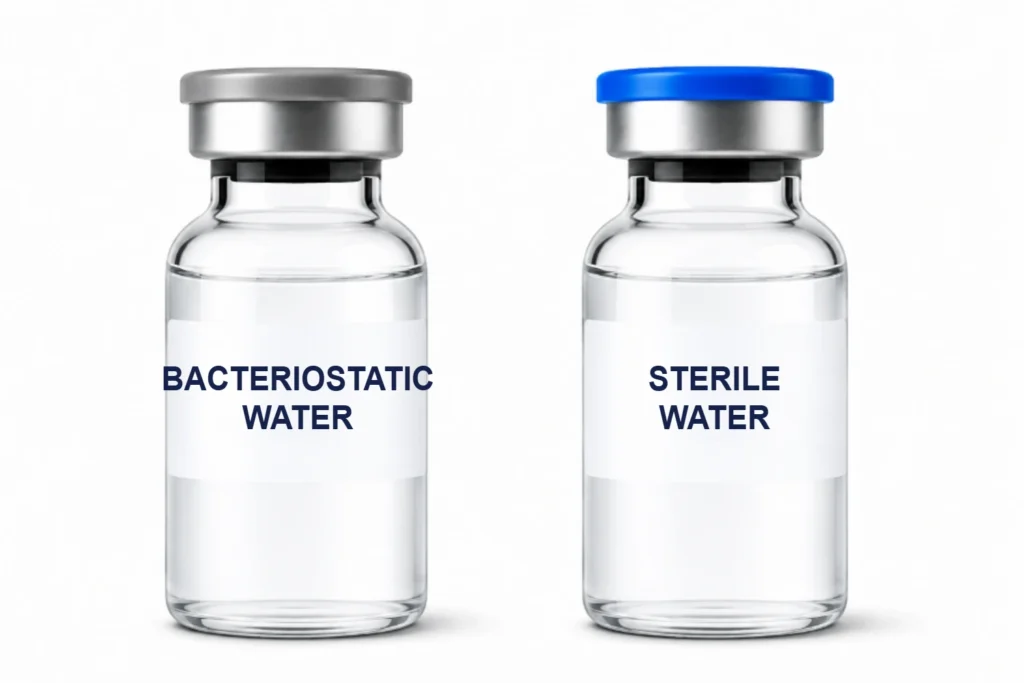
Bacteriostatic water is sterile water that contains a small amount of an antimicrobial preservative — usually 0.9% (9 mg/mL) benzyl alcohol — which suppresses bacterial
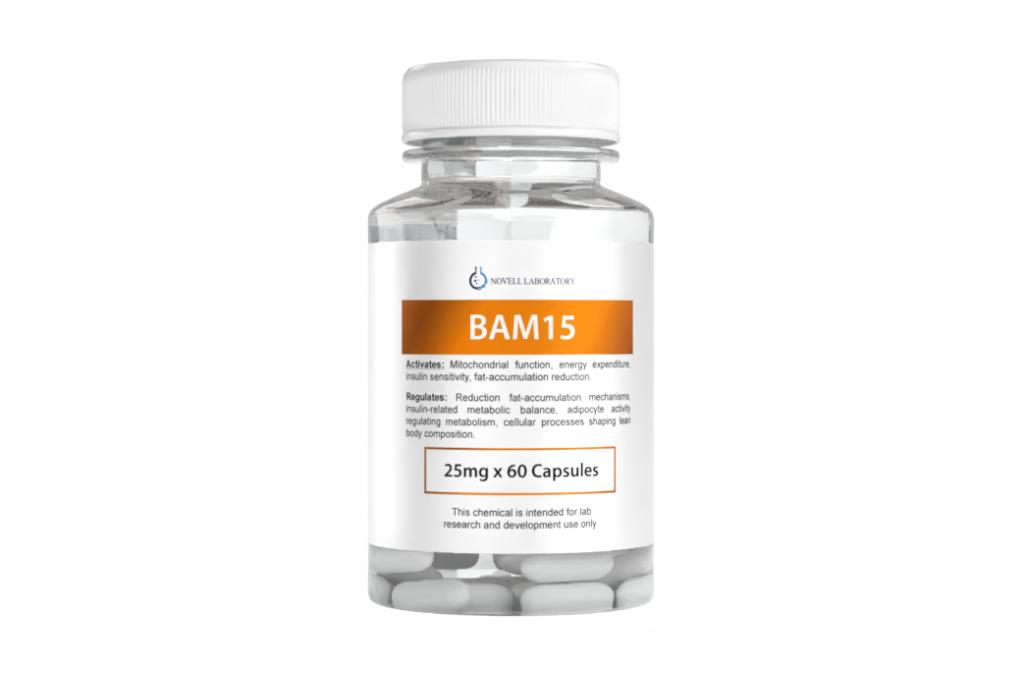
BAM-15 is a relatively new compound in energy-metabolism research. Metabolic pharmacology has a long and disturbing history with mitochondrial uncouplers. 2,4-dinitrophenol (DNP) was used as a weight-loss drug in the 1930s — and has left a legacy of deaths from hyperthermia, cataracts, and multiple organ failure. The Food and Drug Administration has withdrawn DNP from the market […]

NMN has been the star of longevity supplementation for the last five years. It appears on David Sinclair’s podcasts, in biohacker protocols, and on premium drugstore shelves. Marketing easily exceeds science here – and at the same time, some laboratory observations on NMN and NAD+ are so thoroughly documented that they cannot be ignored. This article clears up the picture: what exactly is […]

The evolution of the pharmacology of obesity treatment in the last decade has been in the sequence of “adding receptors” – from a GLP-1 monoagonist (semaglutide → Ozempic, Wegovy), through a GLP-1 + GIP agonist (tirzepatide → Mounjaro, Zepbound), to a GLP-1 + GIP + glucagon triagonist (retatrutide in phase III). CagriSema adds a separate signaling pathway to this narrative – amylin – that is still not […]

Most of today’s high-profile weight-loss molecules – semaglutide, tirzepatide, retatrutide – act on the incretin axis. It affects one specific biochemical pathway: GLP-1 (and related) receptors. Tesofensine represents a completely different pharmacological route: it inhibits the reuptake of three neurotransmitters at the same time – dopamine, norepinephrine and serotonin. A mechanism more similar to classic psychostimulants, but in a new generation version with a different […]

GHK-Cu is the skincare star of recent years. It appears in descriptions of premium serums, in dermatologists’ educational materials on Instagram and in beauty blogs under the slogans “copper tripeptide changes the skin”. Marketing easily exceeds science here – and vice versa: reliable data is sometimes hidden under a layer of promises in which it is difficult to distinguish what has been demonstrated in the laboratory from what […]

Tirzepatide has two distinct regulatory statuses, which this article keeps separate from the first sentence to the last: as an approved medicinal product – Mounjaro (type 2 diabetes, FDA and EMA approval in 2022) and Zepbound (obesity, FDA approval 2023, EMA 2024). In this status, tirzepatide has dosing protocols in clinical settings, prescription availability, and […]
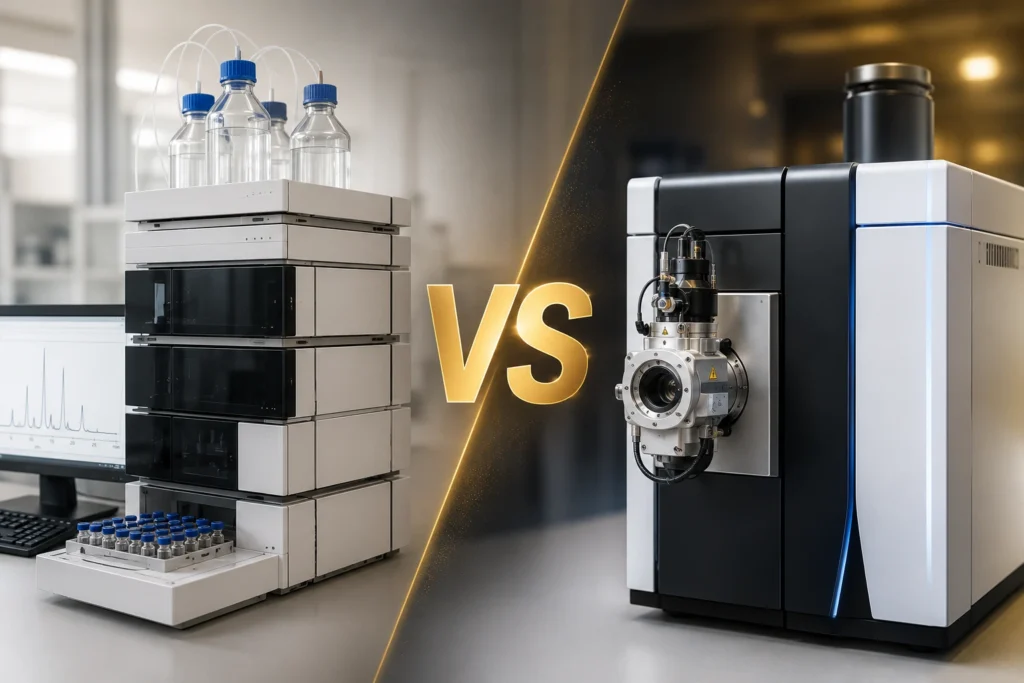
In a laboratory working with peptides, there comes a moment when the supplier sends a certificate of analysis with two key data: an HPLC chromatogram with the declaration “purity ≥98%” and a mass spectrum with the molecular mass consistent with the theoretical value. To a person without a background in analytical chemistry, both documents look like a technical formality – a strip of peaks, a few numbers, the signature of a QC employee. […]

In the 1970s and 1980s, the Russian school of peptidology developed in parallel with—and often independently of—mainstream Western neuropharmacology. Research teams at the Institute of Molecular Genetics of the Russian Academy of Sciences and the Institute of Experimental Pharmacology in Moscow worked on a strategy that would only begin to be explored in Western pharmacology a decade later: take short, biologically […]
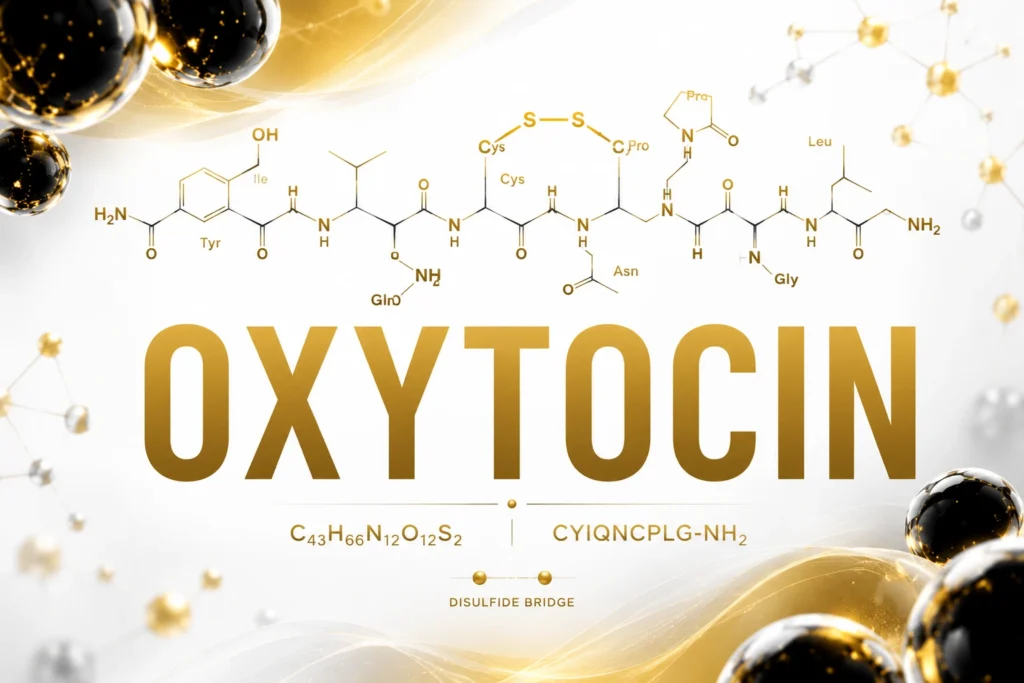
In 1953, the American biochemist Vincent du Vigneaud from Cornell University published a paper in the Journal of the American Chemical Society that won him the Nobel Prize in Chemistry two years later. Du Vigneaud chemically synthesized the first hormonal peptide, oxytocin. Success was not a minor laboratory achievement; this was historical validation of the concept that small peptide molecules could […]
GLP-1, GIP, glucagon – how do incretins work in regulating metabolism In 1964, two research teams independently observed a phenomenon that at first glance seemed to be a measurement anomaly. Glucose given orally to a healthy person caused a much greater insulin release than the same dose of glucose given intravenously – at the same blood glucose level. The difference is not […]

Two peptides from the same broad pharmacological class – incretin agonists – but two completely different molecule design philosophies. Semaglutide, developed by Denmark’s Novo Nordisk and launched in 2017, is a GLP-1 receptor monoagonist – a continuation of the lineage previously started by liraglutide, exenatide and lixisenatide. The design assumption was conservative: take a proven mechanism (activation of one […]
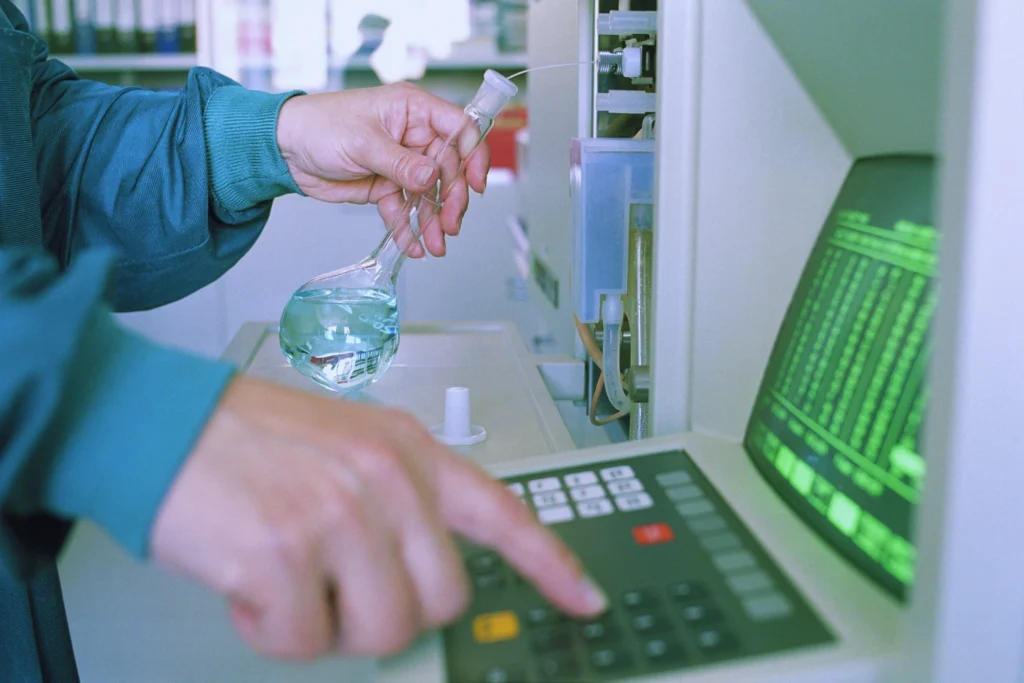
The peptide calculator helps you avoid mistakes when working with research peptides. The most common error is not a reconstitution error or a storage error. The most common error is an arithmetic error – confusion between milligrams and micrograms, between milliliters and “units” on an insulin syringe, between mass concentration and molar concentration. It rarely costs the health of the sample and often the precision of the experiment – which […]

The certificate of peptide analysis usually comes to you as a one-page PDF file or paper scan. At first glance – a few logos, a table with numbers, percentage of purity next to the HPLC heading, somewhere below the mass spectrum or its numerical representation. Most researchers only look at one number: purity. If they see “≥98%”, they consider it resolved and proceed to […]
The most common misunderstanding when working with research peptides isn’t about reconstitution or dosing – it’s about storage. In the laboratory, you can find vials of BPC-157 left on the counter over the weekend, ampoules of TB-500 repeatedly frozen and thawed during the experiment, and semaglutide stored for a year in the refrigerator door next to the milk. Each of these cases is an error that will not be revealed […]

You’ve been training for months. You maintain your calorie deficit with surgical precision. The fat comes off the arms, chest, legs – but the lower belly and side folds stubbornly resist the granite wall. It’s not a matter of discipline or genetics in the common sense. It’s a receptor issue: fat cells in these “resistant” areas have more alpha-2 adrenergic receptors than the rest of the body. And […]
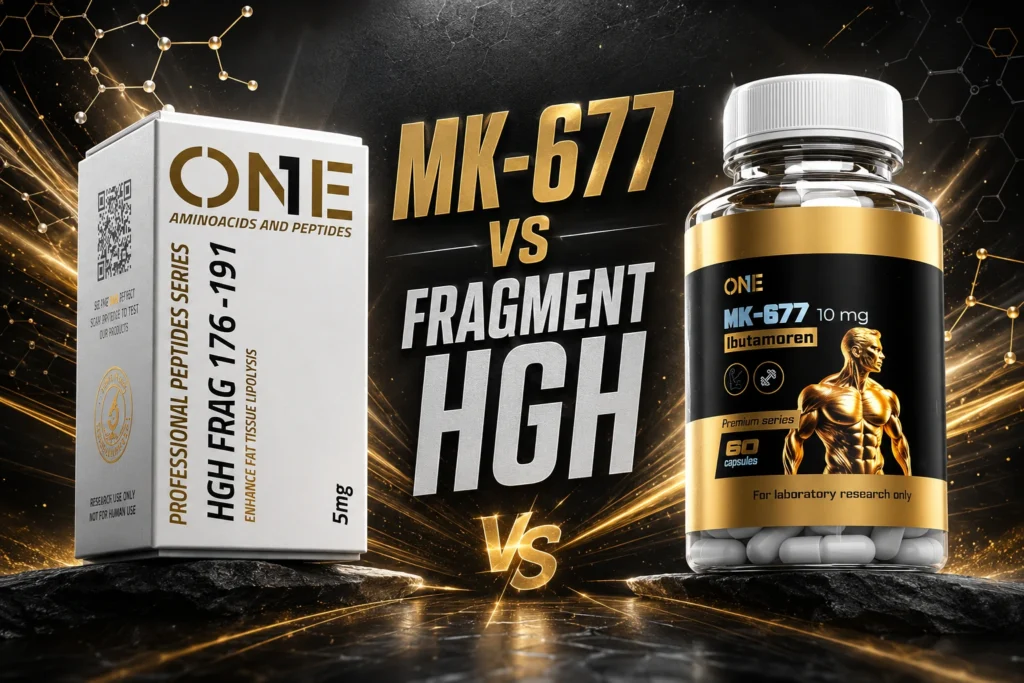
Two molecules. Two fundamentally different approaches to the same hormonal axis. MK-677 tells the pituitary gland to “produce more growth hormone.” HGH Fragment 176-191 tells fat tissue to “act as if you were getting growth hormone – without the rest of its effects.” One stimulates the endogenous production of the entire hormone. The second provides an isolated fragment responsible for one specific action. Which of these mechanisms […]
It’s 3 a.m. Your brain produces melatonin, your intestines slow down your peristalsis, your body temperature drops to a minimum. Every cell in the body “knows” that it is night – and behaves accordingly. This internal schedule is the biological clock: a network of feedbacks between clock genes that synchronizes metabolism, immunity, regeneration and sleep with the day-night cycle. What if […]
