 DE
DE  EN
EN  ES
ES 
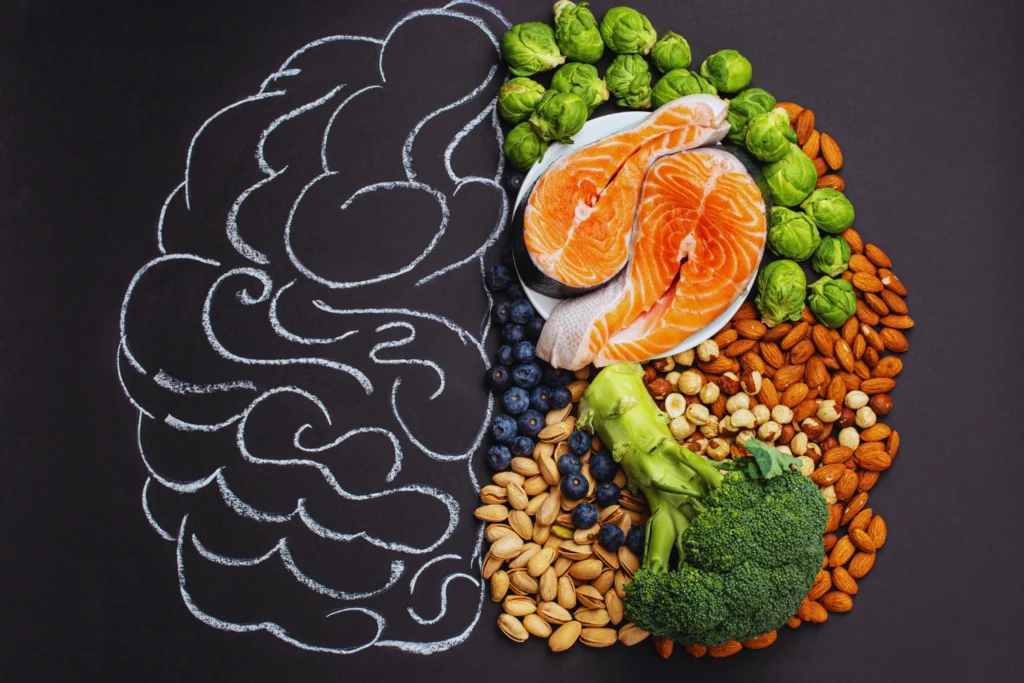
The gut–brain axis is a two-way communication system between the digestive tract and the central nervous system, based on hormonal and neural signals. Its central
The gut–brain axis is a two-way communication system between the digestive tract and the central nervous system, based on hormonal and neural signals. Its central

Leptin and ghrelin are two hormones with opposing effects on appetite. Leptin, secreted by adipose tissue, is a long-term satiety signal — it informs the
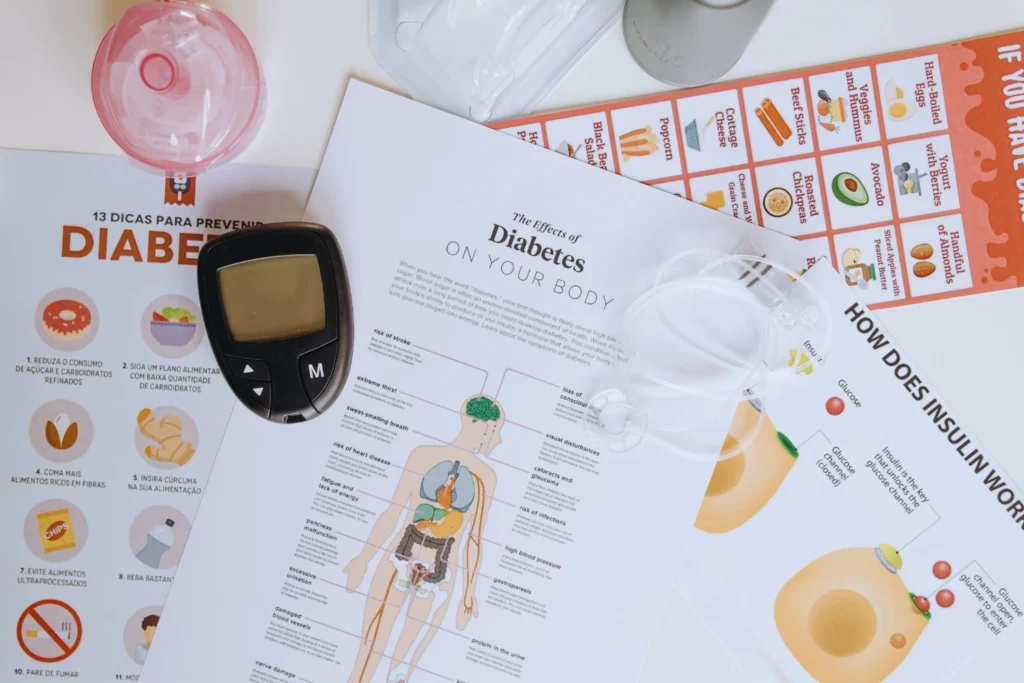
Insulin is an anabolic hormone that regulates energy balance — it lowers blood glucose and promotes energy storage, including in adipose tissue. Insulin resistance is
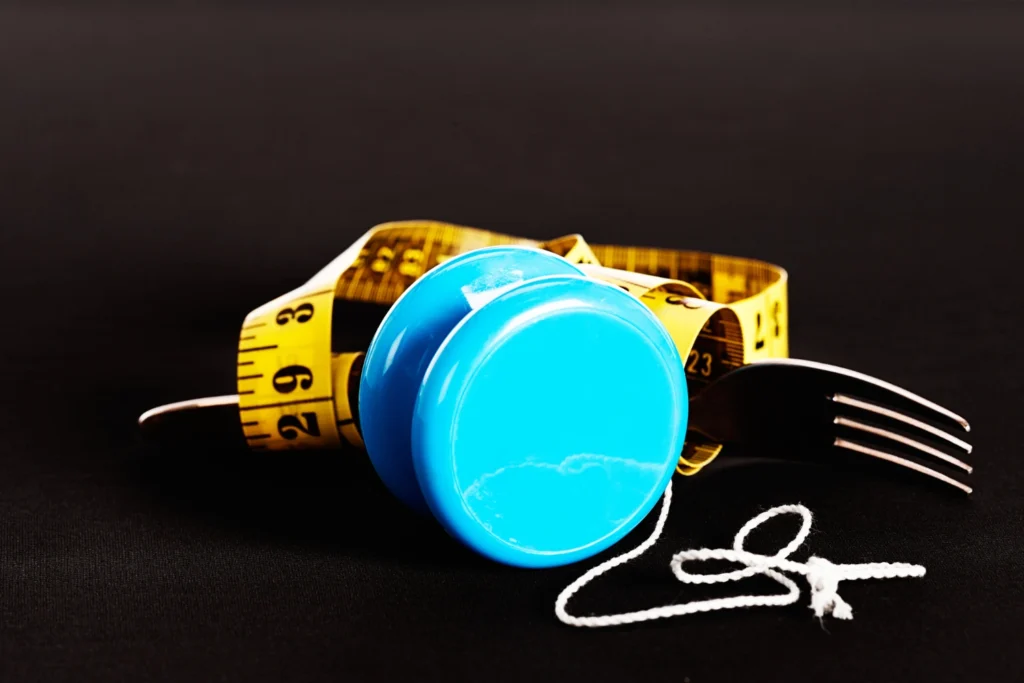
Metabolic adaptation is the reduction in energy expenditure during and after an energy deficit — greater than would follow from the loss of body mass

The body weight set point is a concept describing body weight as a homeostatically regulated parameter — defended by the body much like temperature or

Triple agonism is a pharmacological strategy based on the simultaneous stimulation of three hormone receptors that regulate metabolism: GLP-1, GIP and glucagon. Rather than acting

Thermogenesis is the production of heat by the body as a result of metabolic reactions. A particular form of it is mitochondrial uncoupling — a

Metabolism is the sum of all the chemical reactions through which the body obtains energy from nutrients and uses it to sustain life: the work

Orforglipron (LY3502970, brand Foundayo) is an oral, small-molecule GLP-1 receptor agonist developed by Eli Lilly and approved by the FDA in 2026. Unlike the peptide

Kisspeptin is a neuropeptide encoded by the KISS1 gene, an agonist of the KISS1R receptor (formerly GPR54), acting as the master regulator of the hypothalamic–pituitary–gonadal

Most peptides in the GH–IGF1 axis cluster act indirectly — secretagogues such as CJC-1295 or Ipamorelin stimulate the pituitary to release growth hormone, which only

Among the synthetic growth-hormone-releasing peptides, Ipamorelin holds a special place — it is a molecule that pharmacological literature often describes with the adjective “clean”. Ipamorelin
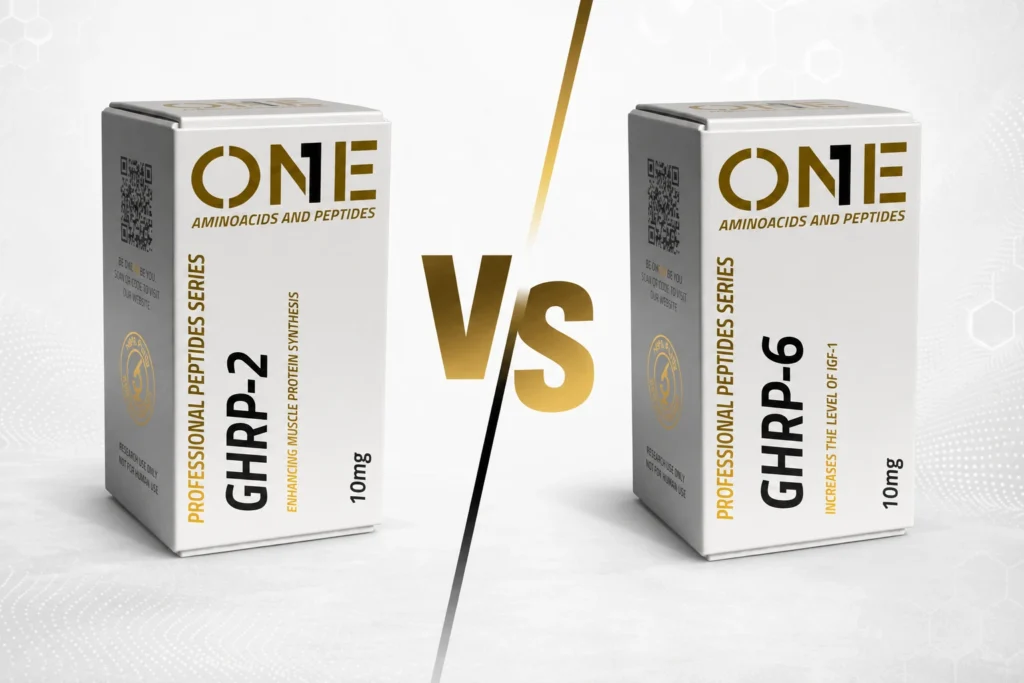
GHRP-2 and GHRP-6 are the two peptides most often set side by side from the growth hormone-releasing peptide family — compounds that, in research models,

In the research-reagent trade, the name “CJC-1295” covers two distinct variants of the same peptide — differing by a single chemical modification that changes the
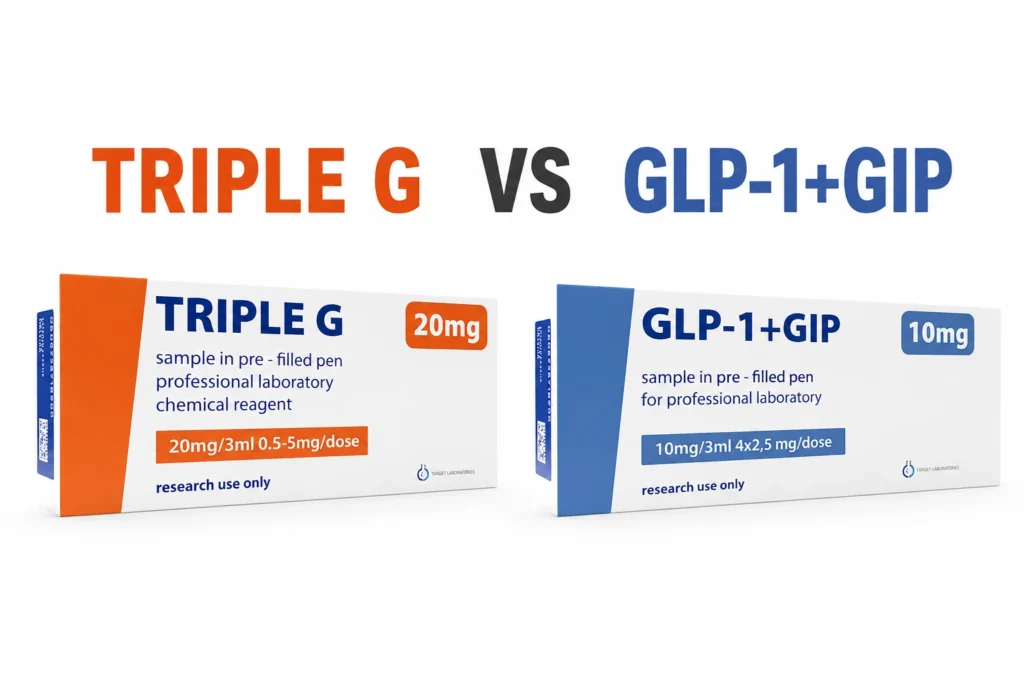
Regulatory note — a critical distinction in the status of the two peptides Tirzepatide functions as a registered medicinal product (Mounjaro — T2D, FDA and
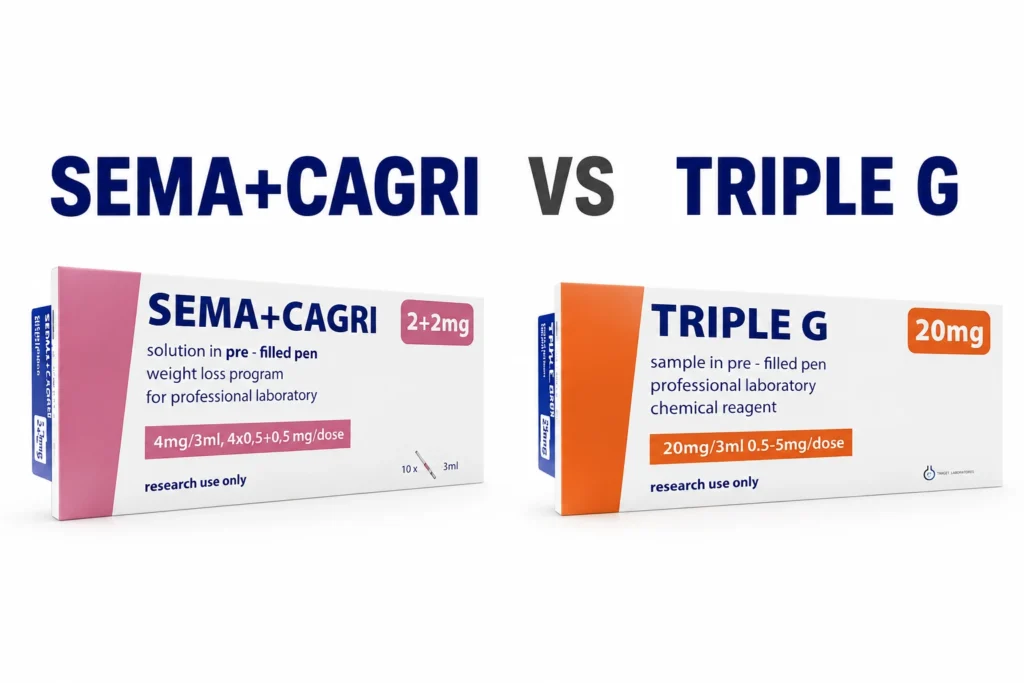
The anti-obesity pharmacology of the past decade has revolved around a design question: what should be added to GLP-1 agonism to achieve an additive or

Discussions of novel pharmacological targets in obesity and metabolic syndrome are today dominated by incretins — semaglutide, tirzepatide, retatrutide — all acting on the GLP-1
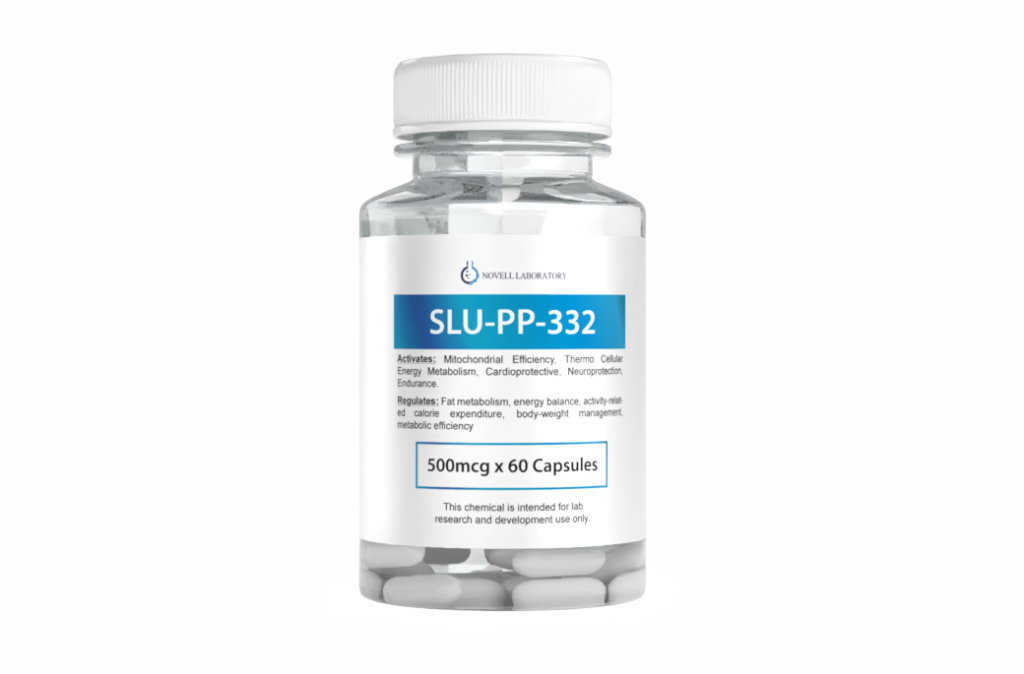
In October 2024 the journal Nature Metabolism published a paper that triggered a wave of headlines about an “exercise pill”. Burris’s team at Saint Louis

Mixing peptides with bacteriostatic water means reconstituting a freeze-dried (lyophilized) research peptide by adding a measured volume of bacteriostatic water to the vial, letting the

You do not have to refrigerate unopened bacteriostatic water — sealed vials are stable at controlled room temperature. Once the closure is first punctured, the
