
This material is intended for educational purposes only and describes the current state of knowledge in cell biology. It does not constitute medical advice, a diagnosis, or a recommendation to use any substances. The research compounds discussed remain the subject of scientific investigation. The hallmarks of ageing are a set of recurring cellular and molecular […]
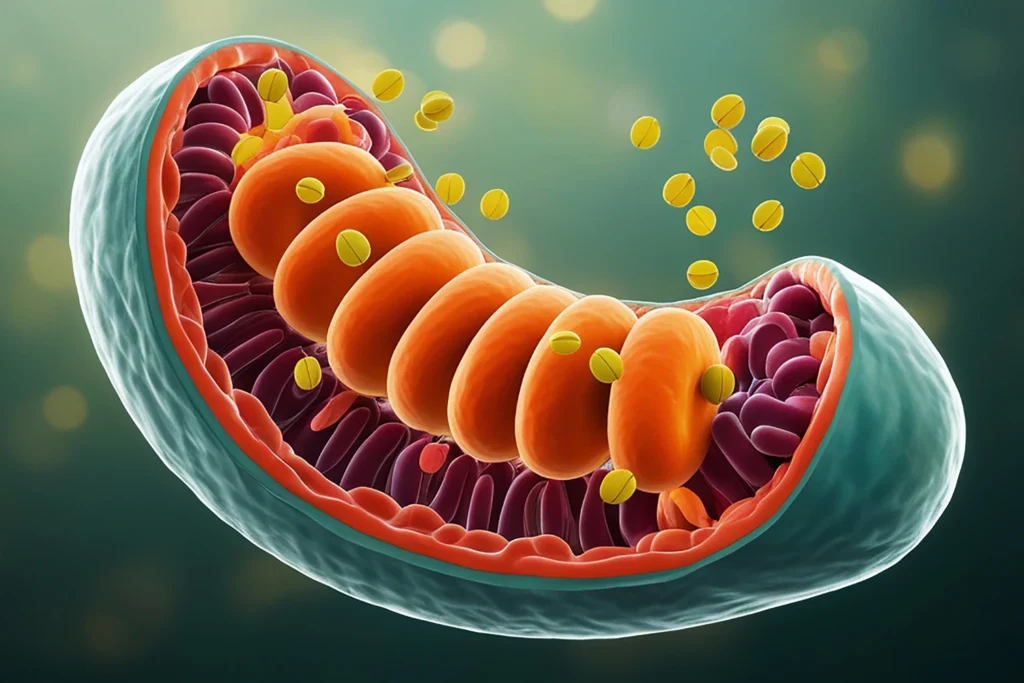
This article is for educational purposes only and presents the state of scientific knowledge on mitochondrial biology and the processes of ageing. It does not constitute medical advice or a recommendation to use any substances. The compounds mentioned are described as objects of research, not as products for human use. Mitochondria are organelles that generate […]

The ageing of an organism is a progressive, multi-level accumulation of molecular and cellular damage that leads to a gradual loss of tissue function. Contemporary biology organises this process within the framework of the hallmarks of ageing — a set of mechanisms describing why and how we age. This guide presents these mechanisms in a […]
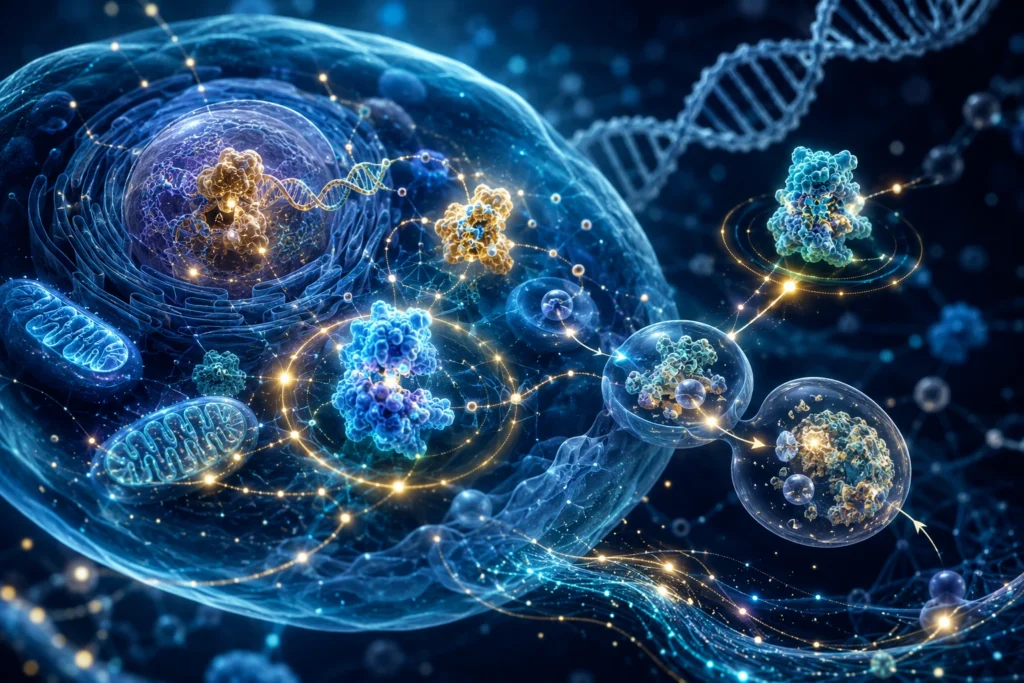
This article is educational in nature and constitutes a review of the scientific literature on the molecular pathways studied in the biology of cellular ageing. It describes mechanisms at the level of enzymes, proteins and genes — it does not constitute medical or nutritional advice and does not contain any protocol, diet or instructions for […]
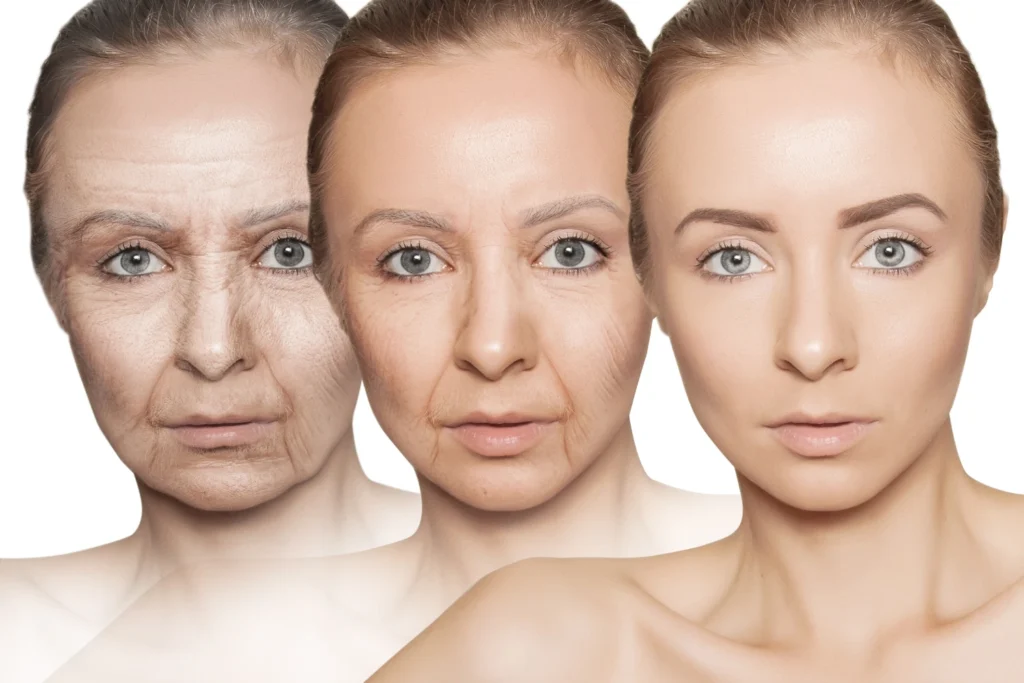
This article is educational in nature and constitutes a review of the published scientific literature on telomere biology and biomarkers of cellular ageing. It describes molecular mechanisms and the state of research, rather than use in humans. The text does not constitute medical or diagnostic advice. Some of the tools discussed (telomere length tests, epigenetic […]

This article is educational in nature and constitutes a review of the published scientific literature. A substantial part of the data cited comes from animal models or in vitro conditions; observations in humans are limited and, where they occur, this fact is clearly indicated. The text describes biochemical mechanisms and the state of research; it […]
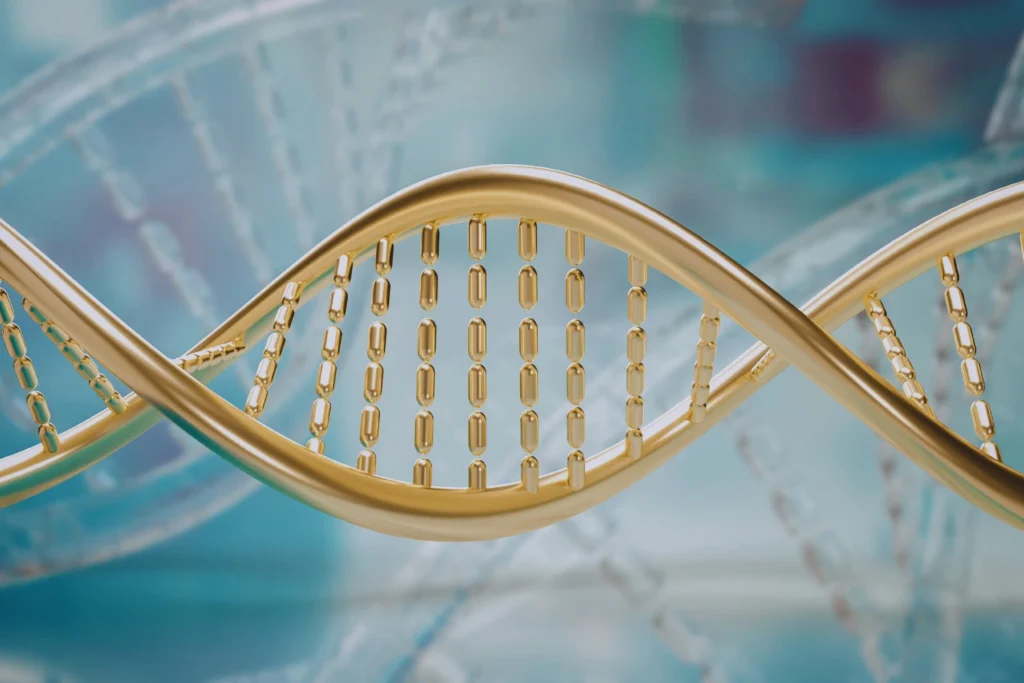
MOTS-c (Mitochondrial ORF of the Twelve S rRNA type-c) is a mitochondrial-derived peptide composed of 16 amino acids, encoded not in the cell nucleus but in mitochondrial DNA. It belongs to the class of mitochondrial-derived peptides (MDPs) and is studied as a regulator of metabolism acting through the AMPK axis. It is one of the […]

NMN has been the star of longevity supplementation for the last five years. It appears on David Sinclair’s podcasts, in biohacker protocols, and on premium drugstore shelves. Marketing easily exceeds science here – and at the same time, some laboratory observations on NMN and NAD+ are so thoroughly documented that they cannot be ignored. This article clears up the picture: what exactly is […]
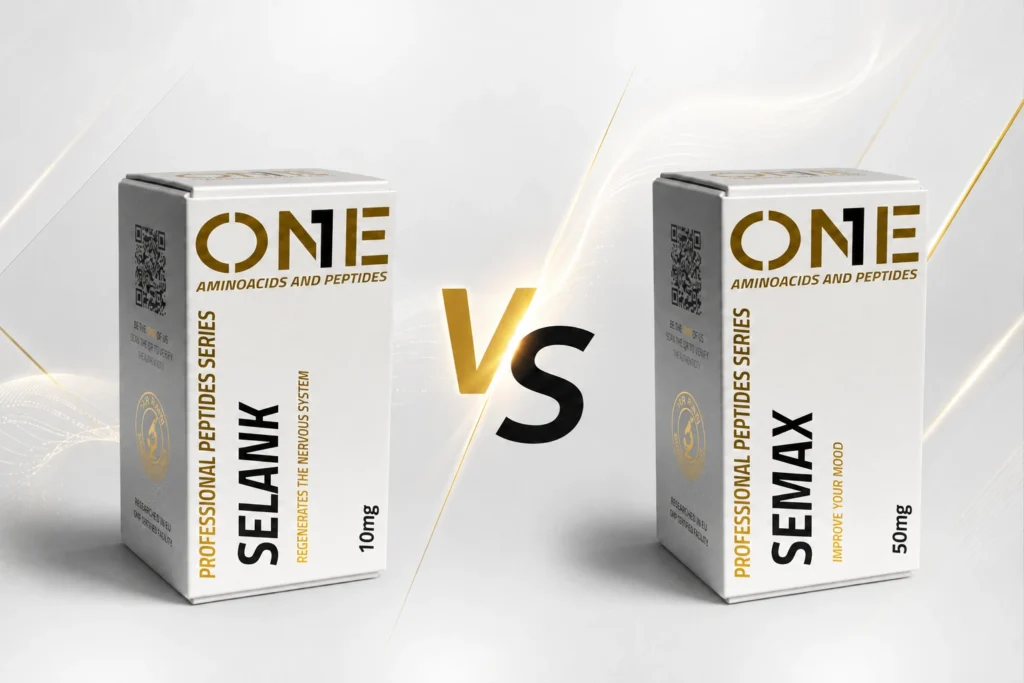
In the 1970s and 1980s, the Russian school of peptidology developed in parallel with—and often independently of—mainstream Western neuropharmacology. Research teams at the Institute of Molecular Genetics of the Russian Academy of Sciences and the Institute of Experimental Pharmacology in Moscow worked on a strategy that would only begin to be explored in Western pharmacology a decade later: take short, biologically […]
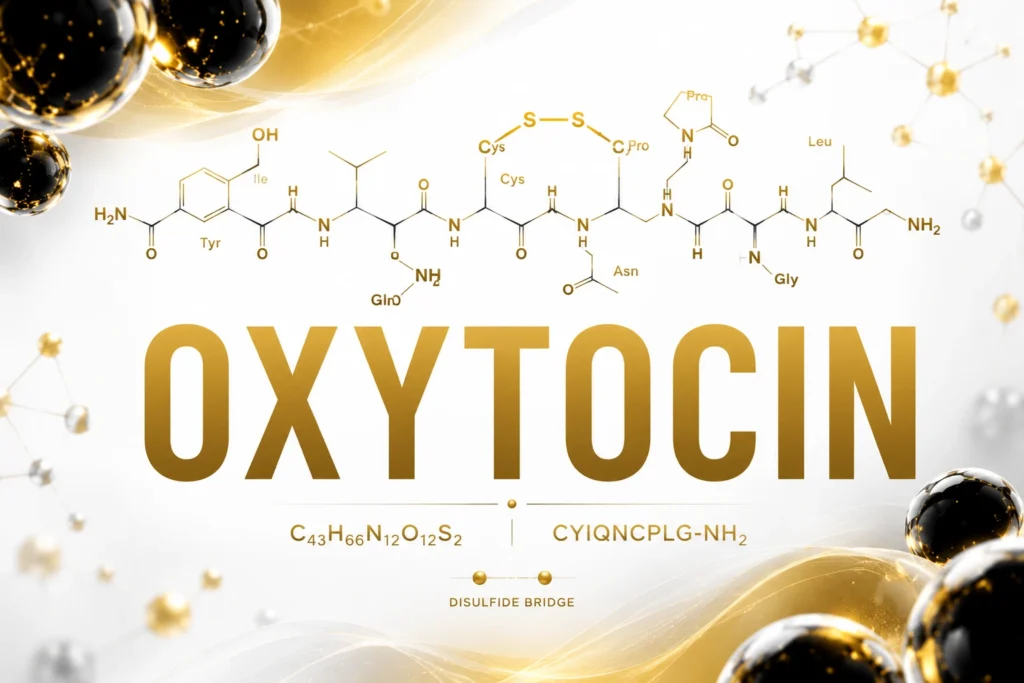
In 1953, the American biochemist Vincent du Vigneaud from Cornell University published a paper in the Journal of the American Chemical Society that won him the Nobel Prize in Chemistry two years later. Du Vigneaud chemically synthesized the first hormonal peptide, oxytocin. Success was not a minor laboratory achievement; this was historical validation of the concept that small peptide molecules could […]
 DE
DE  EN
EN  ES
ES