 EN
 DE
 ES



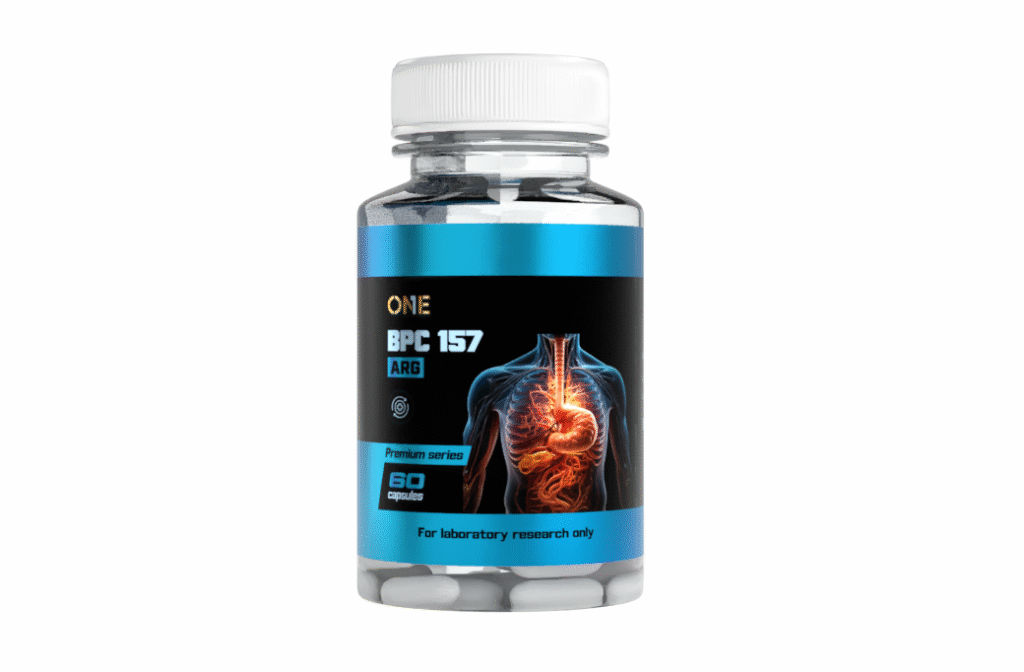
BPC-157 10 mg – Research Use Only (RUO). Chemical reagent intended only for laboratory tests. It is not intended for human consumption or diagnostic purposes.
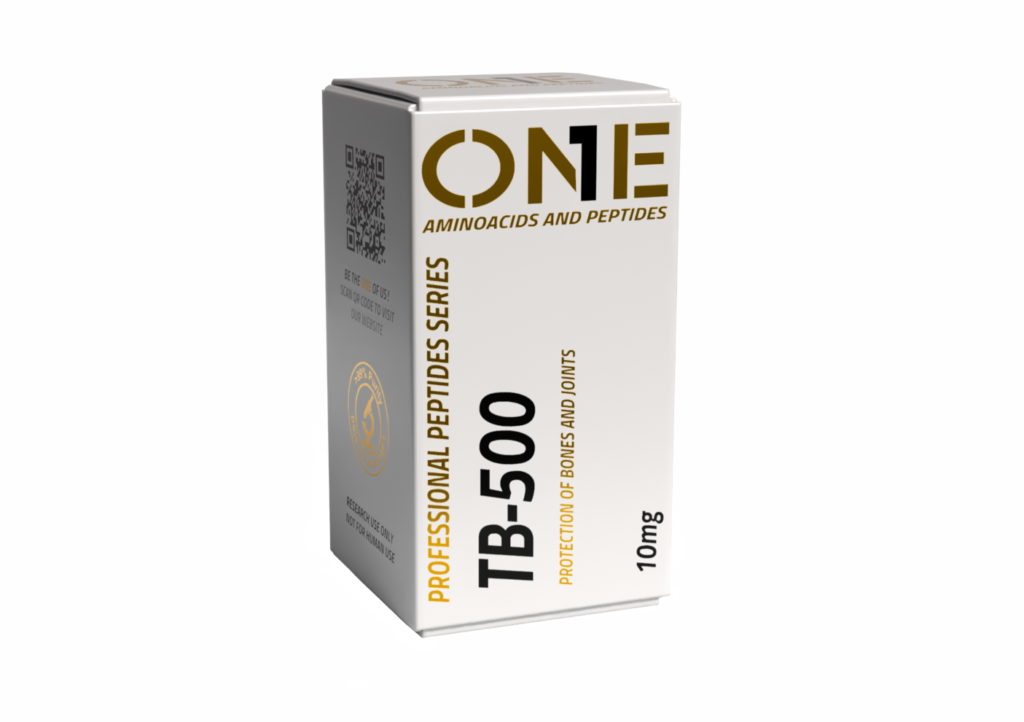
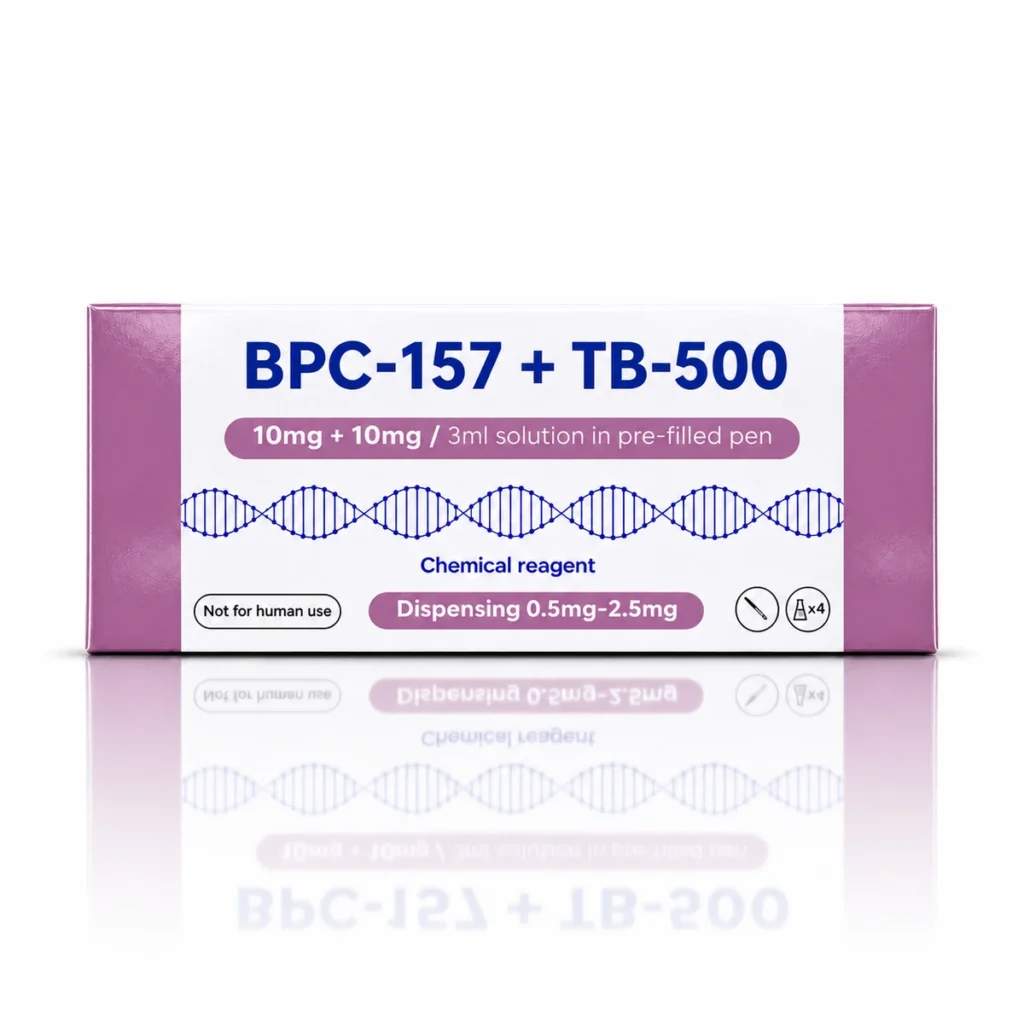
Related categories and reagents: In the context of this area of research, it is also worth comparing TB-500 10 mg.
BPC-157 vs TB-500. Both are described in the context of tissue regeneration, but they are different molecules associated with different pathways. BPC-157 is a pentadecapeptide—15 amino acids, a molar mass of 1,419.53 g/mol, CAS 137525-51-0—described in the literature in the context of the nitric oxide axis and angiogenesis. TB-500 is a much smaller acetylated heptapeptide, Ac-LKKTETQ (C38H68N10O14, 889.0 g/mol), corresponding to the active region of thymosin β4 and described in the context of actin organization and cell migration. Terminology note: the scientific literature most often describes full-length thymosin β4 (43 amino acids), not the fragment alone; these are two different molecules even though the trade name is sometimes used interchangeably.
BPC-157, also known as Body Protection Compound-157, is a synthetic peptide that is the subject of intense scientific research around the world. This substance, consisting of 15 amino acids, is a fragment of a larger protein naturally found in the gastric juice of mammals. In recent years, BPC-157 has gained significant interest in the scientific community due to its unique molecular properties, which are the subject of numerous publications in peer-reviewed scientific journals.
BPC-157 (Body Protection Compound-157) is a pentadecapeptide, i.e. a chain consisting of 15 amino acid residues. This substance was first isolated and described in the scientific literature in the 1990s by a team of Croatian scientists led by Professor Predrag Sikirič. Since then, the peptide has been the subject of hundreds of scientific publications examining its properties at the molecular and cellular level.
In the context of laboratory research, BPC-157 is used as a tool to study a variety of cell signaling pathways, molecular mechanisms related to biological processes, and peptide-receptor interactions. Its stability in laboratory conditions and well-understood chemical structure make it a valuable reagent in biochemical research.
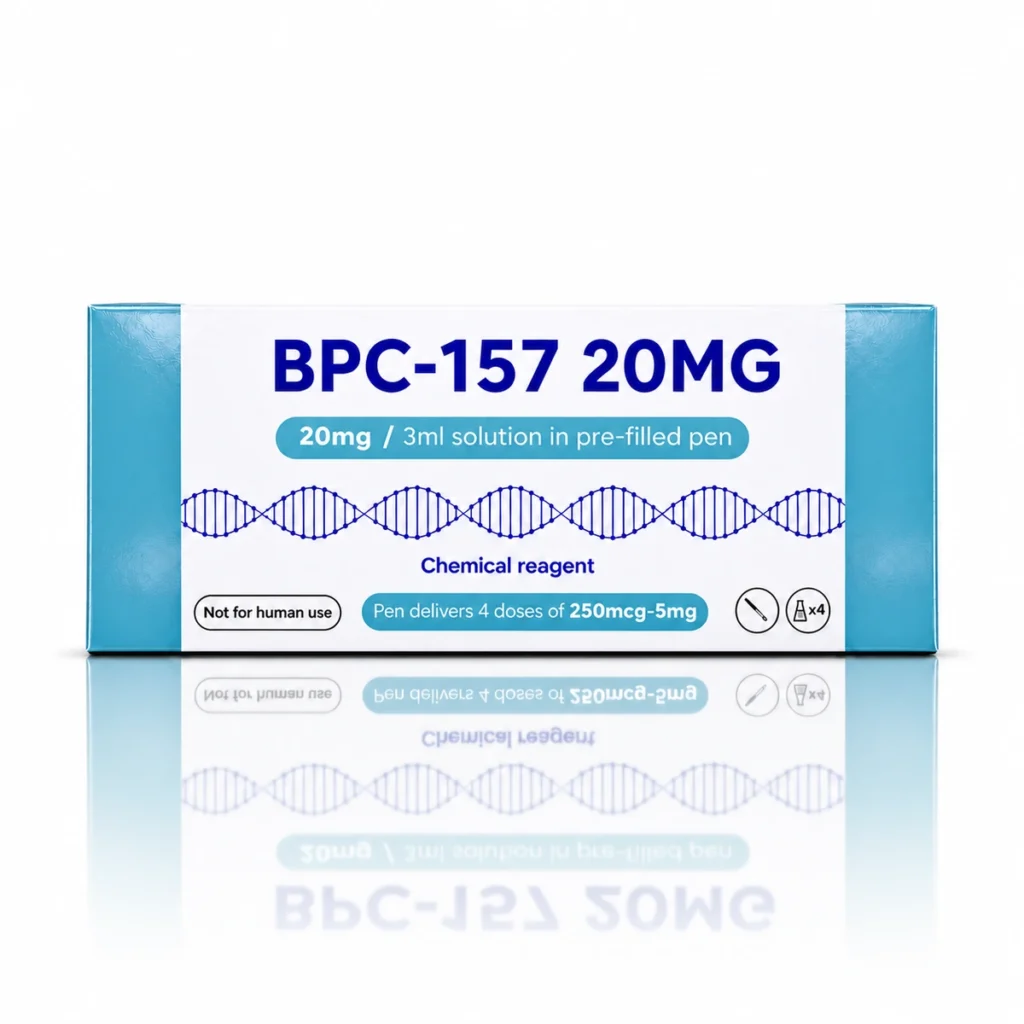
One Peptides BPC-157 10 mg material is supplied as a high-purity freeze-dried powder, ensuring optimal storage stability and precision in research applications requiring an accurate working amount. The same peptide as a ready-made solution in a pen, with no reconstitution, is described on the BPC-157 20 mg PEN page.

BPC-157, whose full name is Body Protection Compound-157, is a synthetic peptide with the amino acid sequence: Gly-Glu-Pro-Pro-Pro-Gly-Lys-Pro-Ala-Asp-Asp-Ala-Gly-Leu-Val. It is a fragment of a larger protein called BPC (Body Protection Compound), which has been identified in the gastric juice of mammals.
Unlike naturally occurring BPC, synthetic BPC-157 is produced using biotechnological methods, which allows obtaining substances of high purity and repeatable quality. This peptide does not occur in this form in nature – it is an isolated fragment of a larger molecule, optimized for stability and research applications.
The CAS number for BPC-157 is 137525-51-0, which allows the substance to be clearly identified in chemical and pharmacological databases. The molar mass of the peptide is approximately 1419.53 g/mol and its molecular formula is C62H98N16O22.
BPC-157 consists of 15 amino acids arranged in the following sequence:
H-Gly-Glu-Pro-Pro-Pro-Gly-Lys-Pro-Ala-Asp-Asp-Ala-Gly-Leu-Val-OH
This sequence is characterized by:
| Parameter | Value |
|---|---|
| Molar mass | 1419.53 g/mol |
| Summary formula | C62H98N16O22 |
| CAS number | 137525-51-0 |
| Isoelectric point (pI) | ~4.2 |
| Solubility | Soluble in water and buffer solutions |
| Form | Freeze-dried powder (white to off-white) |
| Stability | Stable in freeze-dried form at -20°C |
One of the distinctive features of BPC-157 is its high stability compared to many other peptides. Studies have shown that this peptide:
One Peptides BPC-157 10 mg material is manufactured to rigorous quality standards for research reagents. The product is tested by HPLC at an independent laboratory, and the test is repeated periodically.
Quality parameters:
| Test | Method | Specification |
|---|---|---|
| Cleanliness | HPLC | ≥98% |
| Content | HPLC | Stated in the lab report |
| Appearance | Visual | White to off-white lyophilisate |
High Performance Liquid Chromatography (HPLC)
HPLC analysis is the basic method for assessing the purity of peptides. In the case of BPC-157, reversed phase chromatography (RP-HPLC) with UV detection at a wavelength of 214 nm or 280 nm is used. This method allows you to:
Correct storage is crucial to maintaining the integrity and activity of the peptide:
Freeze-dried form (unopened):
– Temperature: -20°C (optimal) or 2-8°C (short-term allowable)
– Protect from light and moisture
– Store in the original packaging
– Shelf life: 24 months from the production date at -20°C
After reconstitution:
– Store at 2-8°C
– Use within 7-14 days
– For longer storage: freeze at -20°C in small portions (aliquots)
– Avoid repeated freezing and thawing
In vitro studies conducted on cell cultures and tissue preparations have shown that BPC-157 can interact with several signaling pathways at the molecular level. It should be emphasized that the information below comes from laboratory tests and does not constitute claims of effect in humans.
NO (nitric oxide) pathway
In vitro studies have observed that BPC-157 can modulate nitric oxide synthase (NOS) activity in various cell models. Nitric oxide is an important signaling molecule involved in many biological processes at the cellular level.
FAK-paxillin system
Studies at the molecular level suggest the interaction of BPC-157 with FAK (Focal Adhesion Kinase) and paxillin – proteins involved in cell adhesion and signal transduction.
Dopaminergic receptors
The potential modulation of dopaminergic receptor activity by BPC-157 was investigated in laboratory models, which is the subject of further scientific research.
VEGF pathway
Some in vitro studies indicate a potential effect of BPC-157 on the expression of vascular endothelial growth factor (VEGF) in cell cultures.
The use of BPC-157 in various in vitro cell models has been described in the scientific literature:
Please note that:
BPC-157 is used as a research tool in many scientific fields. The main areas of application in laboratory research are presented below.
IMPORTANT: The product is intended only for in vitro tests conducted by qualified scientific personnel. Not intended for:
– Use in humans or animals
– Diagnostic purposes
– Therapeutic uses
– Production of food or dietary supplements
BPC-157 (Body Protection Compound-157) is a synthetic pentadecapeptide with a fixed amino acid sequence, which is a valuable tool in biochemical and molecular research. Thanks to its chemical stability, well-known structure and availability in the form of a highly pure reagent, this peptide is used in numerous research projects around the world.
BPC-157 (Body Protection Compound-157) is a synthetic peptide consisting of 15 amino acids with the sequence Gly-Glu-Pro-Pro-Pro-Gly-Lys-Pro-Ala-Asp-Asp-Ala-Gly-Leu-Val. It is a fragment of a larger protein identified in the gastric juice of mammals. The molar mass is 1419.53 g/mol and the CAS number is 137525-51-0. The peptide is characterized by high stability in a wide pH range and resistance to enzymatic degradation.
BPC-157 is a reagent intended for in vitro scientific research only. It is used in biochemical, molecular, proteomic research and in work with cell cultures. It is used to study signaling pathways, molecular interactions and as a tool in the development of analytical methods. The product is not intended for use on humans or animals.
In lyophilized form, the peptide should be stored at -20°C (optimal) or 2-8°C (short-term), protected from light and moisture. After reconstitution, the solution is stored at 2-8°C and used within 7-14 days. For longer storage, it is recommended to freeze in small portions (aliquots) at -20°C, avoiding repeated freezing and thawing.
The One Peptides BPC-157 material is characterized by a purity of ≥98% confirmed by HPLC. The HPLC test is performed at an independent laboratory and is repeated periodically.
Before opening, leave the vial at room temperature for 15-30 minutes. Sterile bacteriostatic water or an appropriate buffer (e.g. PBS) is then added slowly along the wall of the vial. The solution is mixed by gently swirling the vial – do not vortex vigorously. After complete dissolution (the solution should be clear), it is stored under refrigerated conditions.
Mechanistic background: see the overview BPC-157 mechanism and research status in the context of laboratory research and RUO framing.
Parent category: Peptides for Regeneration organize RUO reagents associated with recovery-related research contexts.
 DHL Express
Have a question about this product? Ask it below. We publish questions together with our answer after review.
No questions yet. Be the first to ask.


Erys –
Really good product overall.