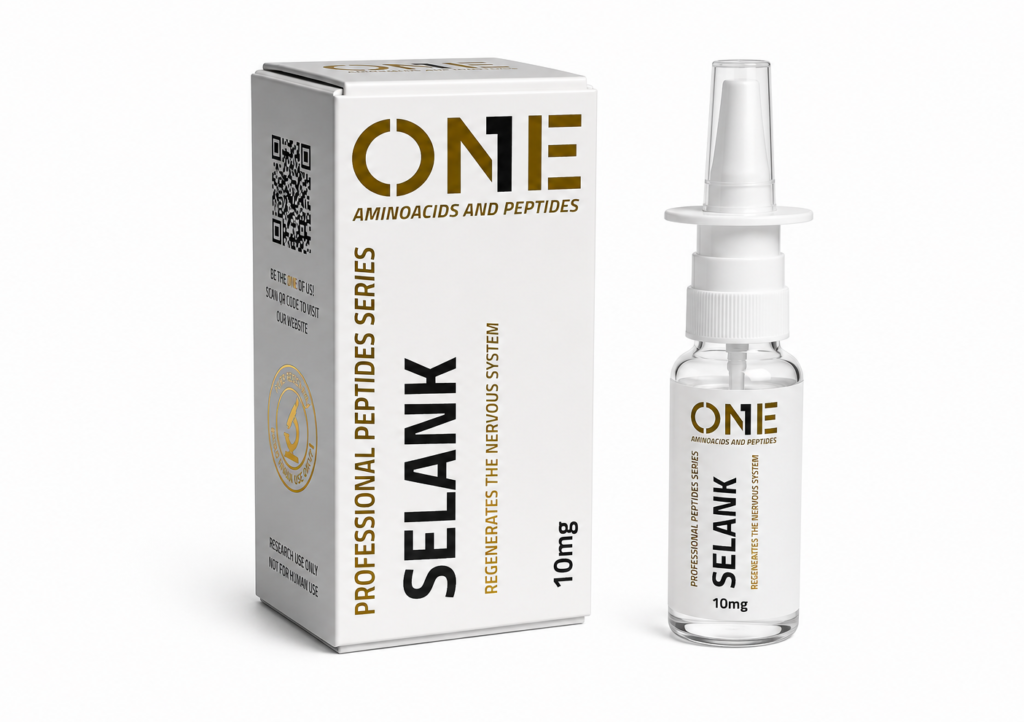
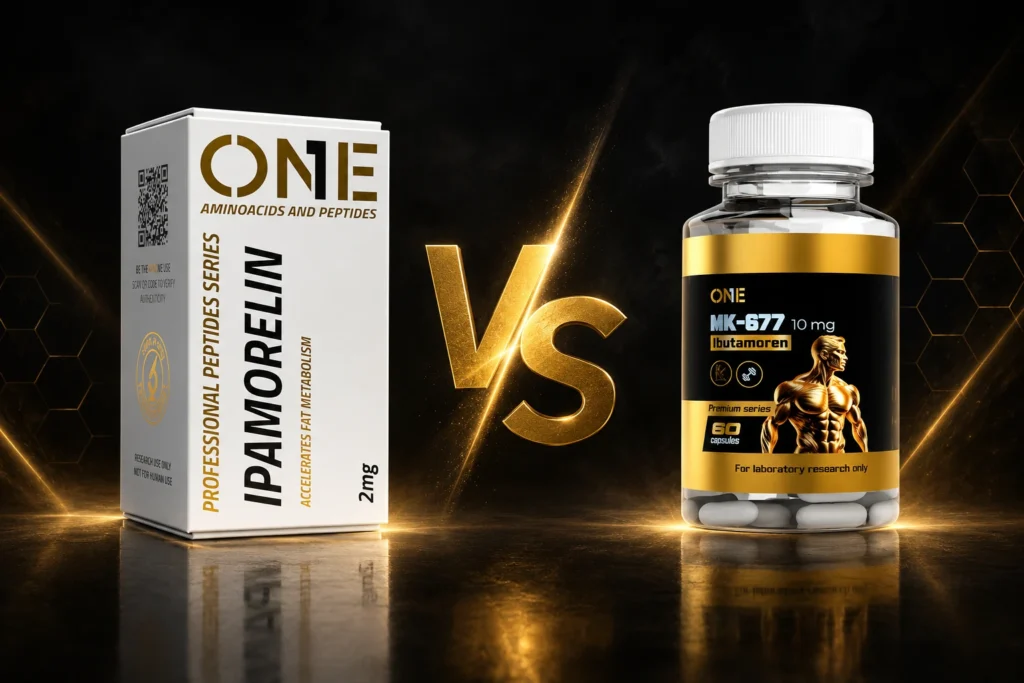
Three pillars on which we build trust for every vial, capsule and every document leaving our warehouse. We do not claim anything without verifiable evidence.
Batch documentation
The batch number is recorded in three places: on the vial label, on the invoice and on the certificate of analysis. Each batch has its own record that can be traced from synthesis to delivery.
HPLC and certificates
Chromatographic purity of ≥98% confirmed by high-performance liquid chromatography with UV detection. Structural identity confirmed by mass spectrometry. Two independent analytical methods in one COA document, publicly available from the product page.
Knowledge base
Each peptide and SARM in our catalog is linked to a blog article with a PubMed bibliography. We explain molecular mechanisms, discuss published data and point out evidence limitations. You read first, then decide.
→ See the full quality-control procedure and sample HPLC certificates
Explore the 4 areas around which we build our range and content
The One Peptides catalog is organized by four major research-use areas that appear most frequently in scientific literature. Each area has its own peptide set, educational path and dedicated blog coverage.
Tissue regeneration
Peptides studied in the context of soft-tissue repair, angiogenesis and fibroblast proliferation. Among the most documented options in preclinical literature.
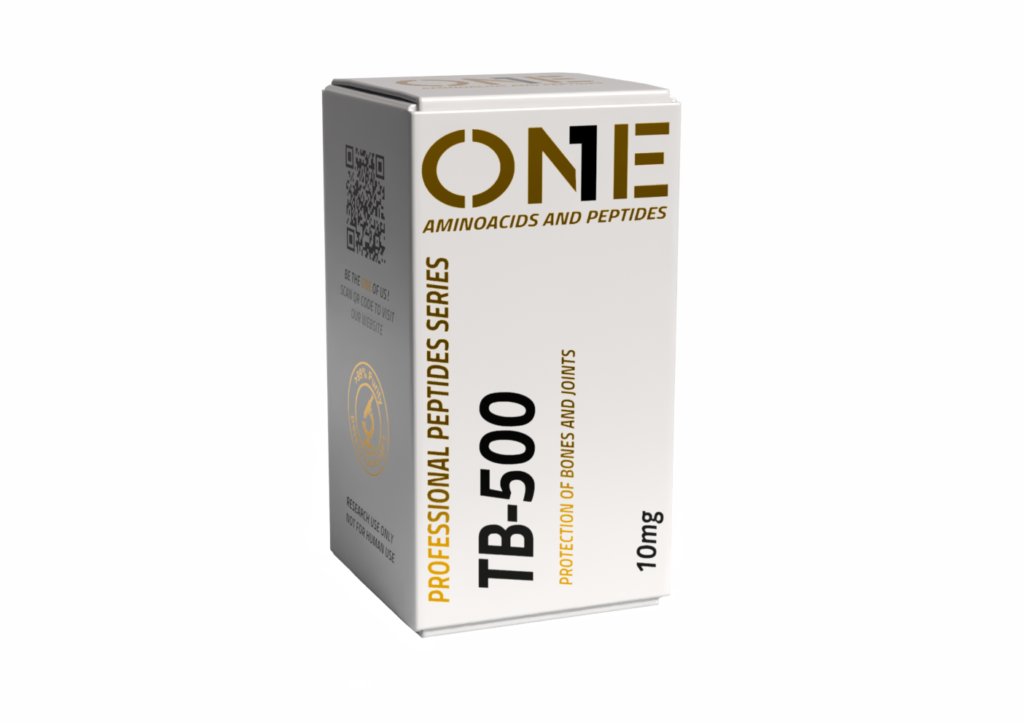
Main compounds: BPC-157, TB-500, GHK-Cu, PEG-MGF
→ Go to regenerative peptides
Longevity and skin
Peptides studied in models of cellular aging, telomere regulation, skin regeneration and pigmentation. An area that combines the molecular biology of aging with experimental dermatology.
Main compounds: Epithalon, GHK-Cu, Melanotan II
→ Explore longevity-focused products
Neuro-optimization
Neuropeptides studied in the context of cognitive function, sleep regulation, stress response and social bonding. Compounds with strong roots in Eastern European neuropharmacology and nervous-system research.
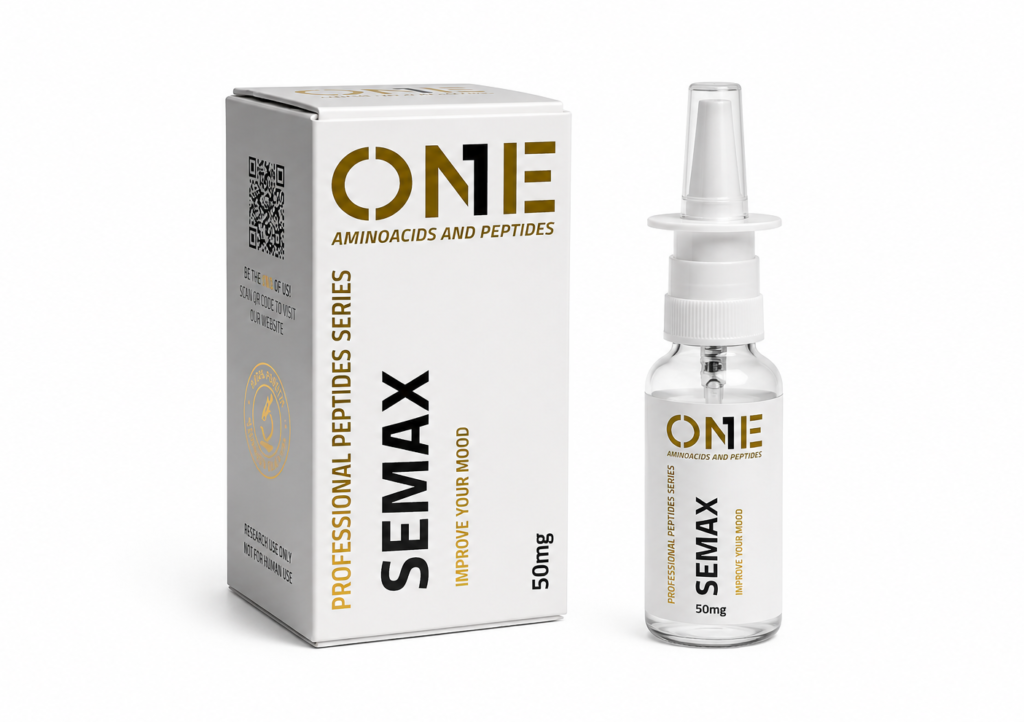
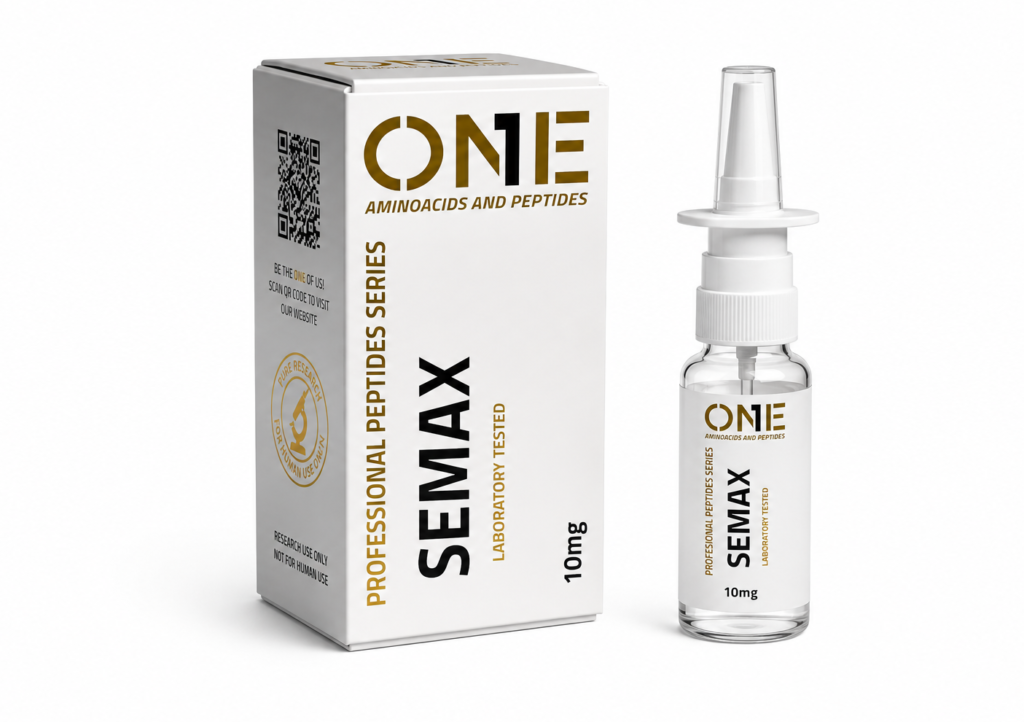
Main compounds: Semax, Selank, DSIP, Oxytocin
→ See neuropeptides
Metabolism and energy
GLP-1/GIP/glucagon-axis peptides, GH-IGF1-axis peptides and reagents used in energy-metabolism research. One of the fastest-growing areas in peptide pharmacology over the last five years.
Main compounds: Semaglutide, Retatrutide, GLP-1/GIP, HGH Fragment 176-191, L-Carnitine
→ Check metabolic peptides
Most frequently ordered products
Six items that most often appear in the carts of academic researchers and literature-aware clients.
How do we control material quality?
Each batch goes through a three-step procedure before it reaches the store. If the result of any stage is out of specification, the batch is not released for sale.
Batch identification
Material from synthesis enters the QA laboratory with its own batch number and initial manufacturer documentation. The first stage is a consistency check of the label, safety documents and specification sheet: peptide name, sequence, theoretical mass, synthesis date and transport conditions. Without a complete match at this stage, the batch does not move forward.
Analysis and documentation
Each batch is tested using two independent analytical methods. HPLC — high-performance liquid chromatography with UV detection, verifying chromatographic purity at a minimum of 98% of the main peak area. MS — mass spectrometry, confirming structural identity by comparing measured vs theoretical mass. The output is a certificate of analysis (COA) with chromatogram, MS spectrum and batch number. The PDF is then added to the public certificate archive.
Release for sale
A batch that passes the first two stages is packed under a 2–8°C cold-chain protocol. The batch number is recorded in three independent places: on the vial label, in the invoicing system and in the COA available from the product page. Shipping uses thermal packaging with gel packs or dry ice, with courier delivery usually in 24–48h while maintaining target temperature.
→ See a sample HPLC certificate and the full QA procedure
Knowledge laboratory, not just a shop
One Peptides is more than a product catalog. It is a place where researchers can find an HPLC certificate for each vial, PubMed bibliography under each article, and a calculator to estimate solution concentration without opening a spreadsheet. We work for people who evaluate peptide purchases through scientific literature rather than marketing slogans — with documentation, education and an open QA procedure as a baseline, not a premium feature.
→ Discover our quality standard
 EN
EN  DE
DE  ES
ES  PL
PL