 ES
ES  EN
EN  DE
DE 
MK-677 vs Ipamorelin — What Does the Research Say?
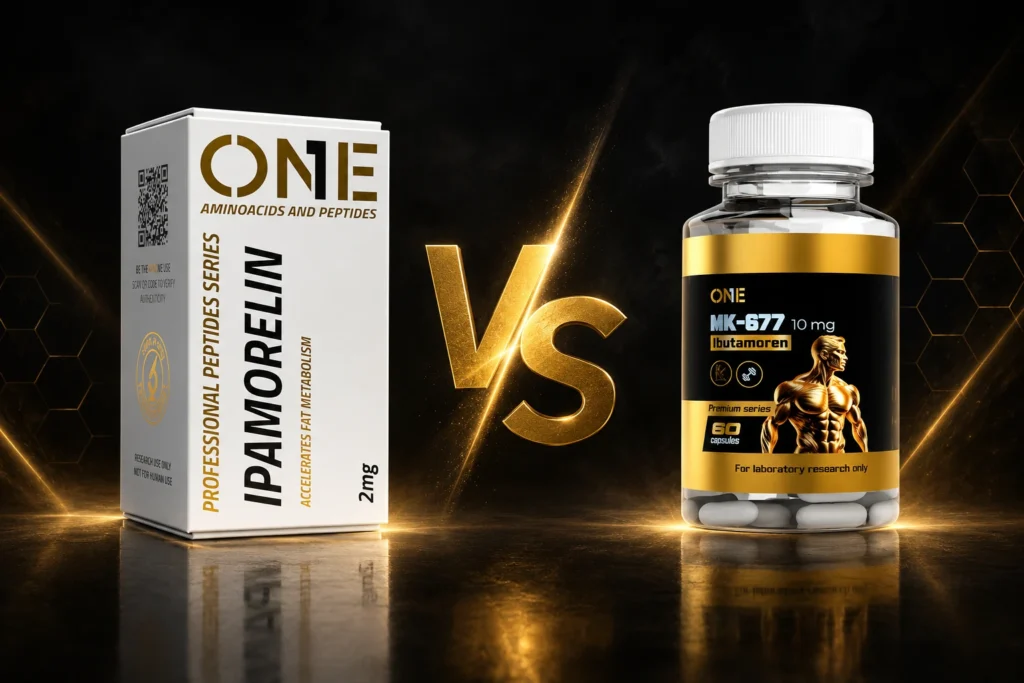
A research comparison of MK-677 and ipamorelin, focusing on GHS-R1a signaling, selectivity, administration route, human evidence and WADA status.
A research comparison of MK-677 and ipamorelin, focusing on GHS-R1a signaling, selectivity, administration route, human evidence and WADA status.
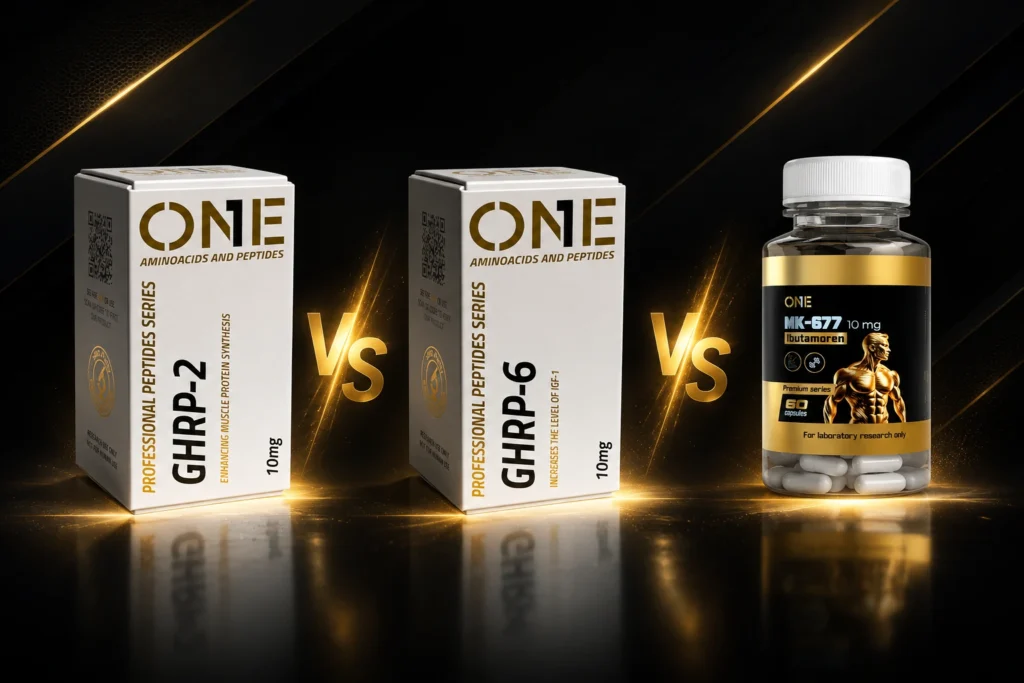
A research comparison of MK-677, GHRP-2 and GHRP-6, including receptor action, molecular class, administration route, evidence and WADA status.
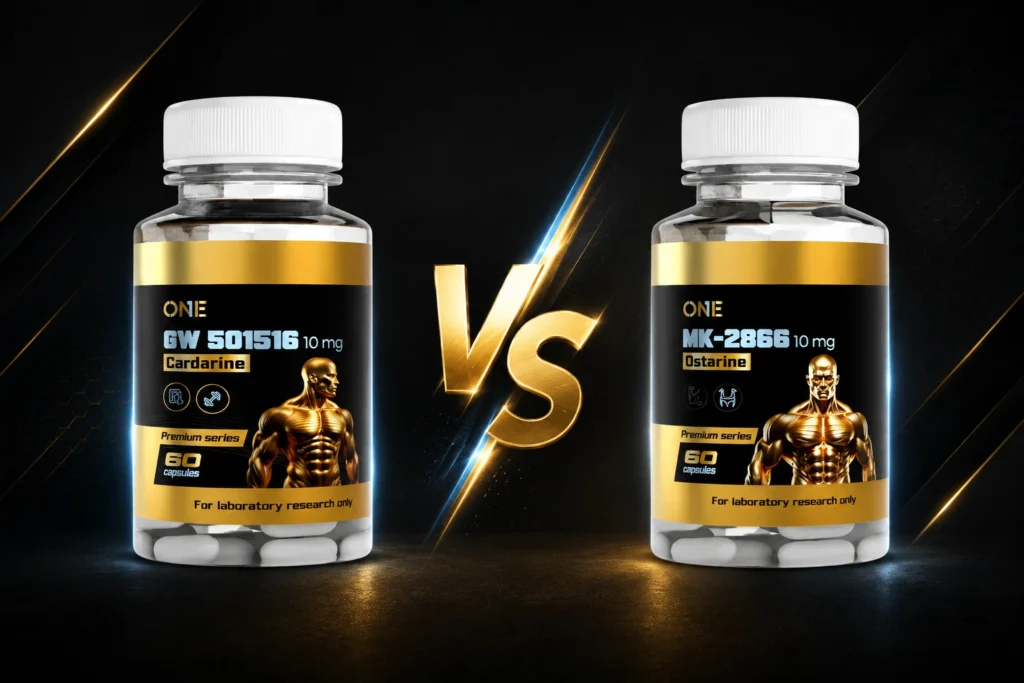
A research comparison of cardarine and ostarine (MK-2866), two distinct compound classes with different targets, evidence bases and safety signals.

YK-11 vs ostarine — a scientific comparison. Ostarine: clinical trials up to phase III. YK-11: in vitro only, no human data. See the key differences. Research reagents (RUO).
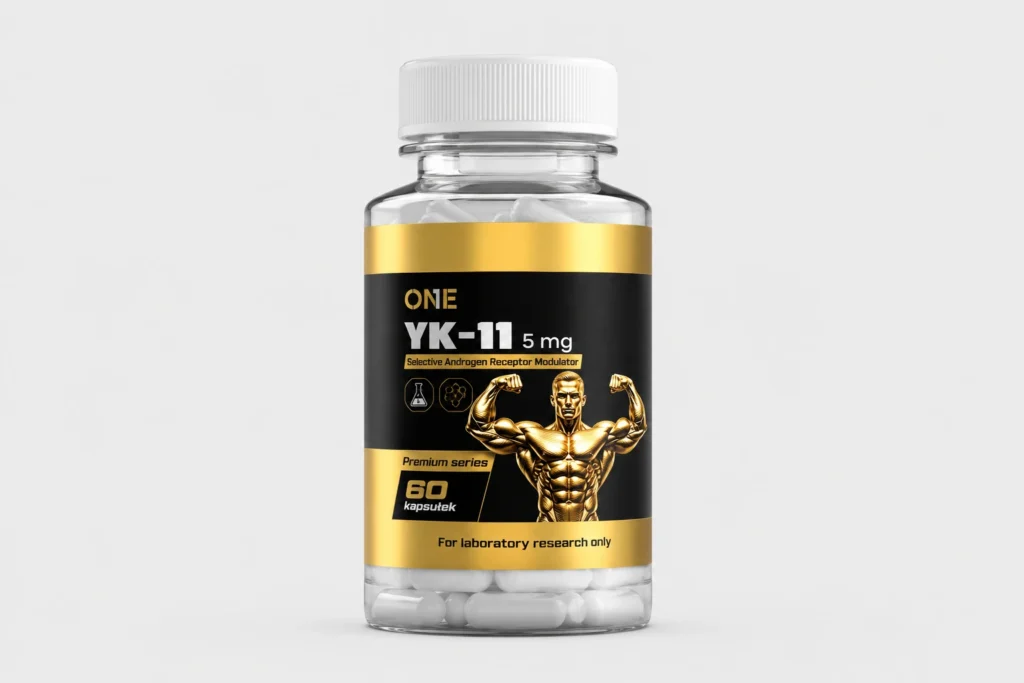
YK-11 — a steroidal partial androgen receptor agonist. The follistatin/myostatin pathway. Literature review. Cell-culture data only. Research reagent (RUO).

RAD-140 vs ostarine — a scientific comparison of two SARMs: research phase, model organism, selectivity and safety signals. Research reagents (RUO).
RAD-140 (Testolone): AR mechanism, neuroprotection and experimental oncology in models, a hepatotoxicity (DILI) signal and WADA status. Research reagent (RUO).

Andarine (S4) vs ostarine (MK-2866) — a scientific comparison of two SARMs: research phase, models, selectivity and safety signals. Research reagents (RUO).
Andarine (S4, GTx-007) in research: SARM mechanism, preclinical rodent data, the vision profile (xanthopsia) and WADA S1 status. Research-reagent profile (RUO).
LGD-4033 vs ostarine (MK-2866) — a scientific comparison of two SARMs: research phase, models, tissue selectivity and safety signals. Research reagents (RUO).
