
DSIP, a peptide that has revolutionized the approach to sleep? In the mid-1970s, two Swiss neurophysiologists – Marcel Monnier and Guido Schoenenberger, working at the University of Basel – conducted a series of experiments that were to forever change the way we think about humoral substances that regulate sleep. The research hypothesis was bold: if deep sleep is neurochemical in nature, then […]
In 1970, the American immunologist Victor Najjar described a short, natural tetrapeptide, which he named tuftsin (after Tufts University, where he worked). The Thr-Lys-Pro-Arg sequence comes from the Fc fragment of the immunoglobulin G heavy chain (positions 289–292) and is formed physiologically by the enzymatic cleavage of IgG in the spleen and by neutrophil membrane enzymes. Function: stimulating the phagocytic activity of macrophages and neutrophils. Tuftsyn was […]

In the 1960s, Dutch neuroendocrinologist David de Wied observed something that changed the way we thought about adrenocorticotropic hormone (ACTH). Classically, this hormone was treated as a simple regulator of the adrenal axis – secreted from the pituitary gland, stimulating the adrenal cortex to produce cortisol. However, De Wied showed that ACTH has a strong, cortisol-independent behavioral effect: it modifies learning, memory and the […]
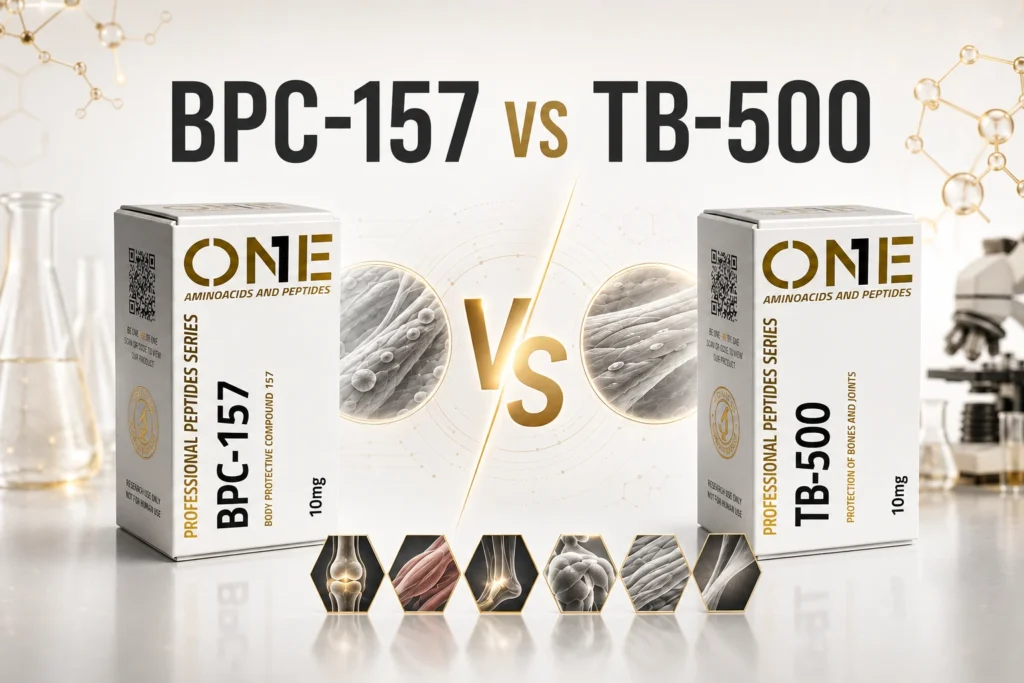
Two peptides. Two completely different origin stories. First isolated in the 1990s from human gastric juice by a Croatian pharmacologist looking for an answer to the question of why the stomach does not digest itself. The second one was described in 1981 by an American team examining proteins of the thymus of calves and their influence on the actin cytoskeleton. BPC-157 and Thymosin Beta-4 (commercially known as […]
Every cell in the body holds a protein whose abundance exceeds all other cytoskeletal proteins combined. Actin — that is the protein — is responsible for cell shape, motility, division, migration. Without actin, a cell cannot heal a wound, repair damaged tissue, or escape from an inflammation site. In 1981, Allan Goldstein and Ewald Hannappel […]
In the mid-1990s, a team led by Croatian pharmacologist Predrag Sikiric at the University of Zagreb was working on a puzzle that had long intrigued gastroenterologists: why does human gastric juice — with its aggressive pH 1–2 and the presence of pepsin — fail to digest itself. While studying mechanisms of gastric cytoprotection, Sikiric isolated […]
 DE
 EN
 ES

