 EN
EN  DE
DE  ES
ES 
LGD-4033 (Ligandrol) — research, mechanism and safety profile (SARM)
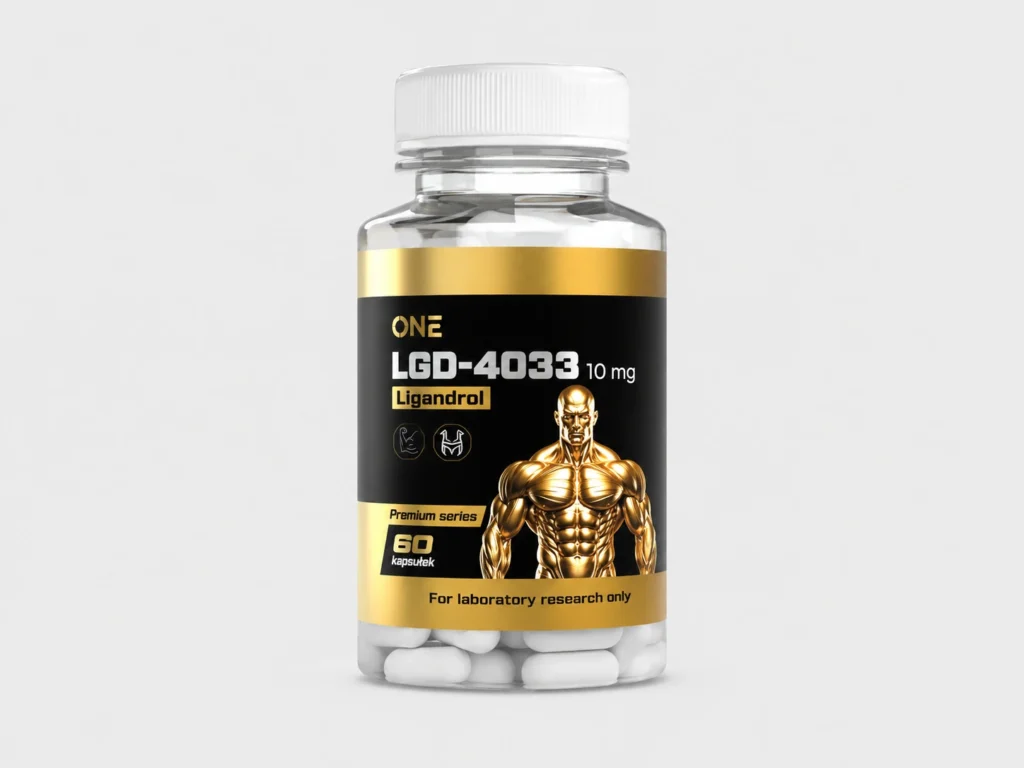
LGD-4033 (Ligandrol): SARM mechanism, phase I data in healthy volunteers, safety signals (testosterone suppression, a DILI case report) and WADA S1 status. Research reagent (RUO).
LGD-4033 (Ligandrol): SARM mechanism, phase I data in healthy volunteers, safety signals (testosterone suppression, a DILI case report) and WADA S1 status. Research reagent (RUO).

You’ve been training for months. You maintain your calorie deficit with surgical precision. The fat comes off the arms, chest, legs – but the lower belly and side folds stubbornly resist the granite wall. It’s not a matter of discipline or genetics in the common sense. It’s a receptor issue: fat cells in these “resistant” areas have more alpha-2 adrenergic receptors than the rest of the body. And […]
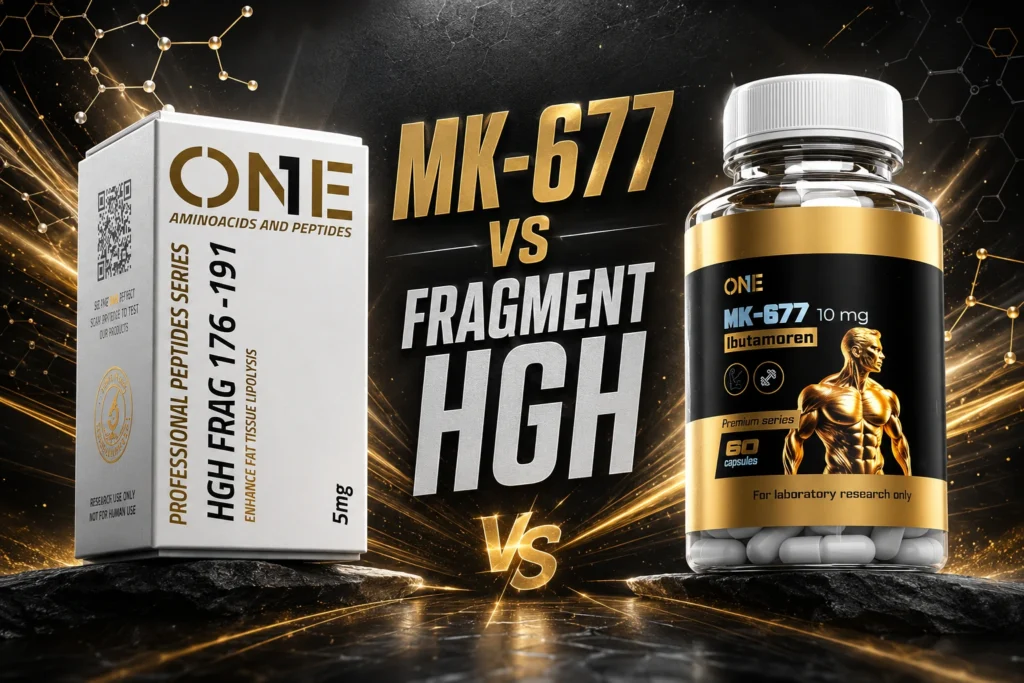
Two molecules. Two fundamentally different approaches to the same hormonal axis. MK-677 tells the pituitary gland to “produce more growth hormone.” HGH Fragment 176-191 tells fat tissue to “act as if you were getting growth hormone – without the rest of its effects.” One stimulates the endogenous production of the entire hormone. The second provides an isolated fragment responsible for one specific action. Which of these mechanisms […]

It’s 3 a.m. Your brain produces melatonin, your intestines slow down your peristalsis, your body temperature drops to a minimum. Every cell in the body “knows” that it is night – and behaves accordingly. This internal schedule is the biological clock: a network of feedbacks between clock genes that synchronizes metabolism, immunity, regeneration and sleep with the day-night cycle. What if […]
A patient with advanced lung cancer may lose a substantial amount of muscle mass over several months. Not because they are not eating — they eat as much as they can. They lose muscle because the tumor reprograms metabolism into a catabolic mode: it breaks down muscle protein faster than the body can rebuild it. […]
At 25 your body produces growth hormone in amounts that maintain muscle, repair tissue, and deliver deep, restorative sleep. At 40 that production has halved. At 60 — it has dropped to a quarter. This is not a disease. It is physiology: each decade the pituitary releases less GH, and the consequences ripple through body […]

Cardarine (GW-501516) is a synthetic PPARδ agonist investigated in cellular and animal models and in short clinical studies. This review distinguishes published findings from unconfirmed human effects and discusses the oncological signal, evidence gaps and Research Use Only status.
