Research Use Only (RUO). The reagents in this category are intended exclusively for laboratory research. They are not medicinal products, dietary supplements or food products, and are not intended for consumption. Some active substances are approved as medicines under separate brand names; a research reagent is not the same product and does not replace any medicinal preparation.
In brief. Metabolic modulators are a class of compounds studied in the context of the regulation of energy metabolism. This category includes two distinct chemical groups: peptides (incretin analogues, a growth hormone fragment and a GHRH analogue) and small-molecule compounds, which are not peptides. Their regulatory status varies: semaglutide and tirzepatide are approved as medicines under other names, while the other compounds are not approved; in this catalogue, all are offered exclusively as RUO reagents.
Which classes of compounds does this category include?
Incretins and their analogues. The largest subclass consists of peptides described in the literature in relation to GLP-1, GIP and glucagon receptors. They differ in the number of targets: from single GLP-1 receptor agonists, through dual GLP-1 and GIP agonists, to triple agonists that also target the glucagon receptor. Combinations of a GLP-1 analogue with an amylin analogue form a separate variant. The incretin mechanism is explored further in the GLP-1 peptides category and the guide to GLP-1 peptides in metabolic research.
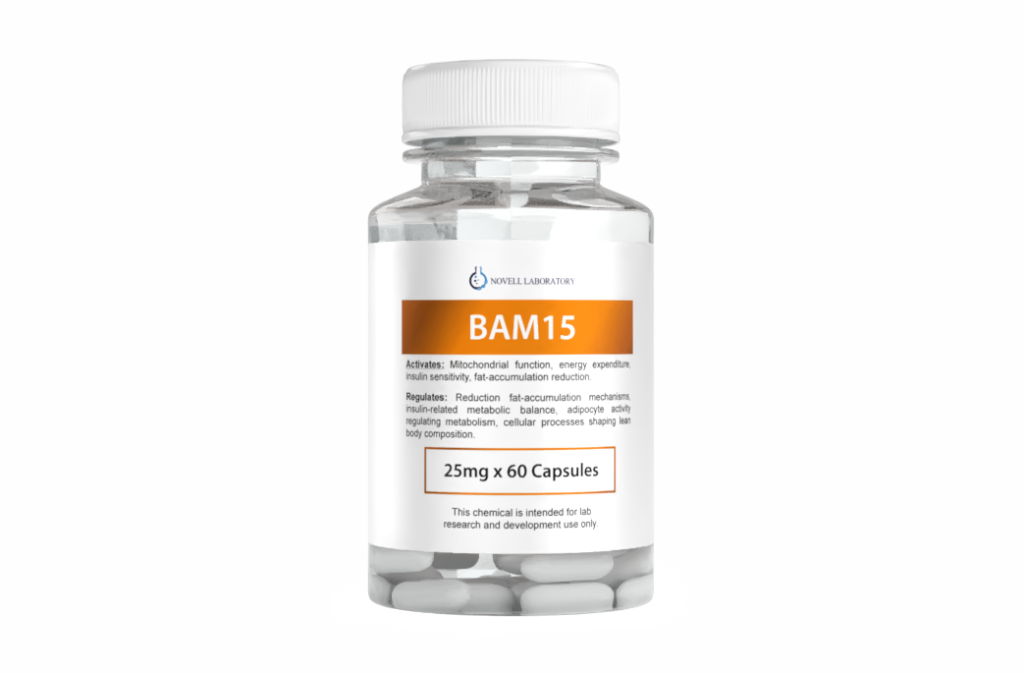
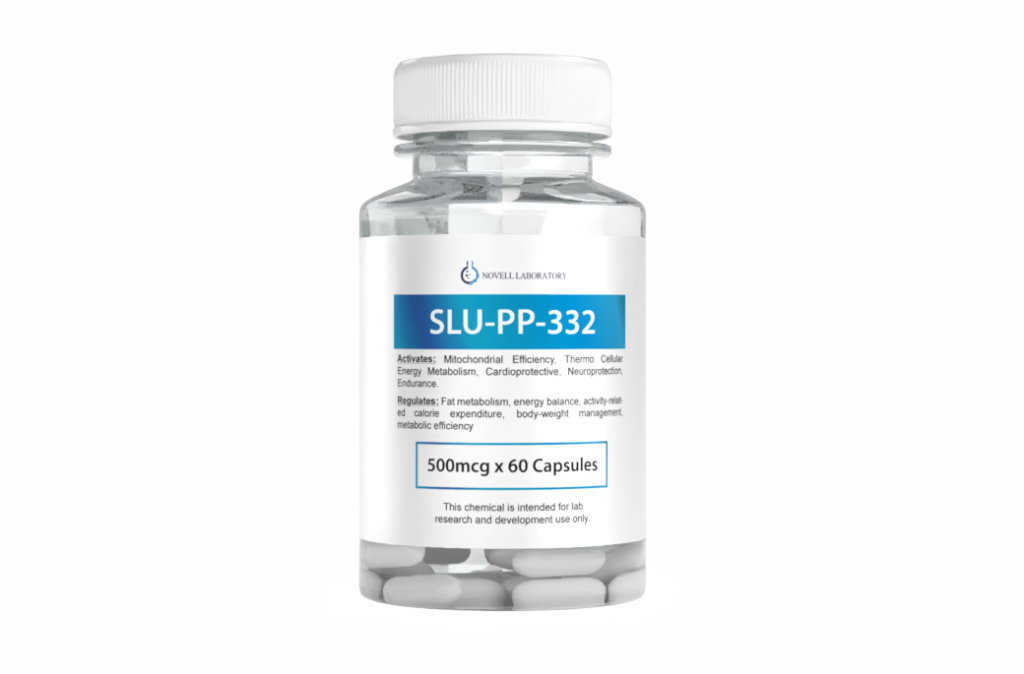
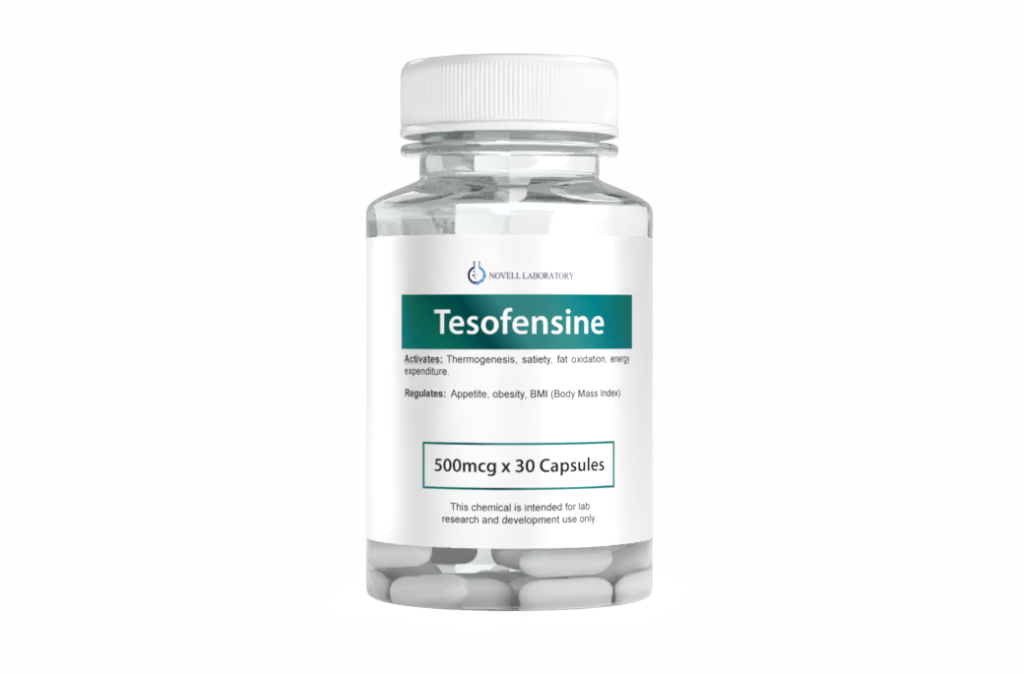
Small-molecule compounds, not peptides. This group is sometimes confused with the previous one because they share a research area, although they are chemically distinct: BAM-15 is a mitochondrial protonophore uncoupler; 5-amino-1MQ is a selective inhibitor of nicotinamide N-methyltransferase (NNMT); SLU-PP-332 is a pan-agonist of ERRα, ERRβ and ERRγ receptors; and tesofensine inhibits the reuptake of dopamine, noradrenaline and serotonin. Their molecular masses range from approximately 287 to 415 g/mol, whereas the incretin peptides in the same category have molecular masses of approximately 4,100 to 4,900 g/mol, more than ten times greater.
A growth hormone fragment and a GHRH analogue. HGH Fragment 176-191 is a C-terminal segment of the human growth hormone molecule, discussed separately from the full hormone in the literature. CJC-1295 with DAC is an analogue of growth hormone-releasing hormone that acts on the GHRH receptor. Both appear in research on lipolysis in experimental models, through a signalling axis different from that of incretins.
How do these compounds differ from one another?
How should a reagent be selected for a research model?
Selection follows the molecular target, not the strength of an effect. For research into incretin signalling, the literature uses GLP-1 analogues and their multi-receptor variants. The number of targets is an experimental design variable, not a measure of potency; these variants are represented in the Triple G category. Studies of mitochondrial bioenergetics use protonophore uncouplers, which act on the proton gradient rather than a membrane receptor. Work on nicotinamide metabolism and the NAD+ pool uses NNMT inhibitors; models of aerobic capacity use ERR agonists; and research into the central regulation of food intake uses monoamine reuptake inhibitors.
Each RUO reagent in this category is supplied with analytical documentation covering chromatographic purity, identity confirmation by mass spectrometry and a batch certificate of analysis.
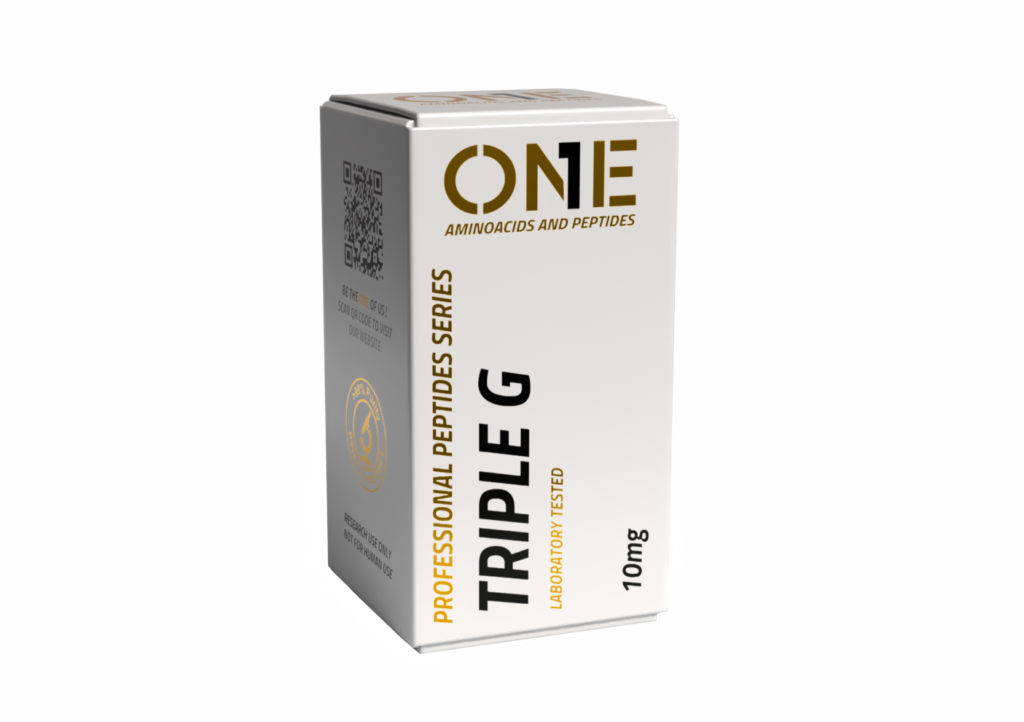
An example from the triple-agonist group is Retatrutide (Triple G) 5 mg, offered exclusively as a laboratory research reagent (RUO).
Frequently asked questions
Are metabolic modulators medicines?
No. The reagents in this category are chemical substances intended exclusively for laboratory research (Research Use Only). They do not have the status of medicinal products or dietary supplements and are not intended for use in humans. Some active substances are approved as medicines under separate brand names, but this is a separate regulatory framework, discussed in the next question.
How does a research reagent differ from a medicine such as Ozempic or Mounjaro?
They differ in their regulatory framework and intended purpose, even when the active substance is the same. Ozempic and Wegovy contain semaglutide; Mounjaro and Zepbound contain tirzepatide. These are approved medicinal products, manufactured to pharmaceutical standards, available on prescription and subject to regulatory oversight. A research reagent in this category is not a medicinal product, has no approved indications or marketing authorisation, and does not replace any medicinal preparation. Approval of a medicine does not extend to a research reagent.
Which compounds in this category have regulatory approval?
Semaglutide and tirzepatide are approved as active substances in medicines, under separate brand names and within a separate regulatory framework. Retatrutide remains under clinical investigation. Tesofensine, BAM-15, 5-amino-1MQ, SLU-PP-332, HGH Fragment 176-191 and CJC-1295 do not have approval in any jurisdiction.
Does this category contain only peptides?
No. Four reagents are small-molecule compounds, chemically distinct from peptides: BAM-15, 5-amino-1MQ, SLU-PP-332 and tesofensine. The difference is also apparent quantitatively: their molecular masses range from approximately 287 to 415 g/mol, whereas the incretin peptides in the same category have molecular masses of approximately 4,100 to 4,900 g/mol.
Why is the category called “metabolic modulators”?
The name describes the pharmacological class of the compounds: what they are and which systems they interact with in research. It does not refer to human use or to any effect in the purchaser. All properties described are findings reported in published research in the specified experimental models.
 EN
EN  DE
DE  ES
ES  PL
PL